Introduction
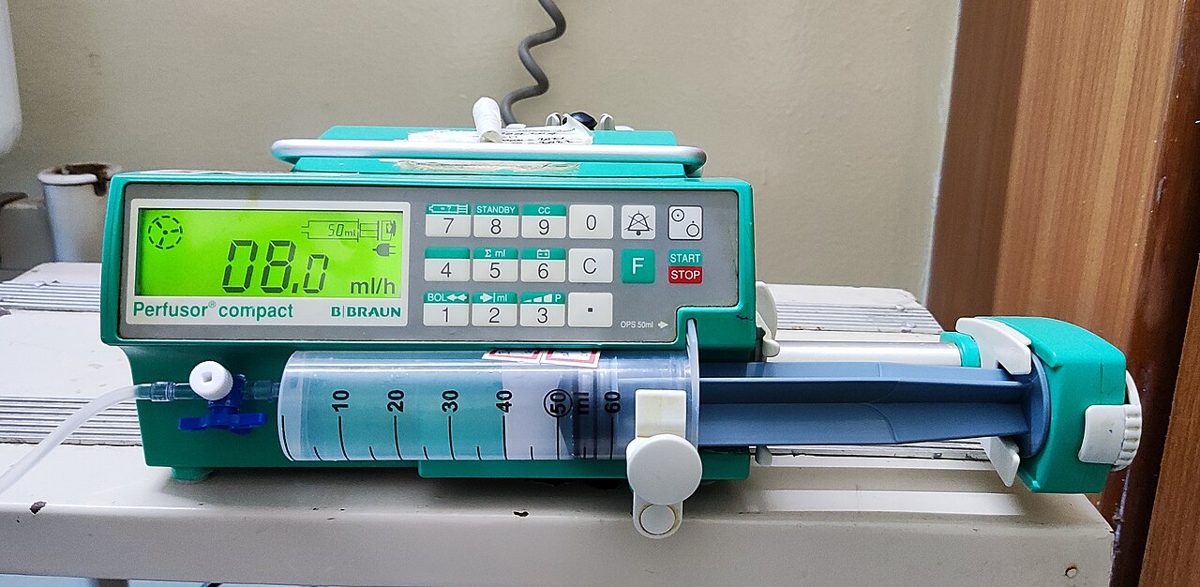
Pain management does not stop when the patient wakes from anesthesia. In the hospital, many painful patients receive a constant rate infusion (CRI), a drug delivered at a steady hourly dose through a fluid pump or a syringe pump. At home, dogs and cats with osteoarthritis (OA) live with chronic pain for months or years. The veterinary technician sets up and watches the CRI, applies cold and heat, performs passive range of motion, teaches owners what to watch for, and supports comfort care at the end of life. This guide covers those jobs and the facts the VTNE expects you to know about them.
Key facts
- MLK is a CRI of morphine, lidocaine and ketamine. In one canine study the rates were morphine 0.1 mg/kg/hour, lidocaine 3 mg/kg/hour and ketamine 0.6 mg/kg/hour, mixed into a 1 L bag of LRS.7
- Ketamine at CRI doses blocks NMDA receptors, which limits central sensitization ("wind-up"). It supports other analgesics and is not a sole analgesic.6
- Without a loading dose, a drug takes 3 to 5 half-lives to reach steady state.6
- Cold packs: 10 to 20 minutes, repeated every 2 to 4 hours, typically for up to 72 hours after injury or surgery; never more than 30 minutes.4
- Heat packs: 15 to 20 minutes (maximum 30), and no earlier than 48 hours after injury or surgery.4
- Weight control and mild to moderate daily exercise help dogs with OA; strenuous exercise can make pain worse.2
- Chronic pain treatment is rarely a single therapy and needs frequent reassessment.2
How the VTNE tests this
This topic sits in Domain 9 Task C: "Assist in the development and implementation of the pain management plan to optimize patient comfort and/or healing." It draws on knowledge of "animal nursing procedures and rehabilitation therapies" (K34) and "pain assessment and analgesic administration techniques" (K44).1 Expect to:
- Name the drugs in MLK and say what each one adds.
- Calculate how much drug goes into a fluid bag, or a syringe pump rate in mL/hour.
- Choose cold or heat for a patient based on time since injury, and give a safe treatment time.
- Pick home measures for an arthritic dog or cat (weight loss, flooring, ramps, exercise).
- Identify a technician task in rehabilitation and a safety precaution (skin checks, laser eyewear).
Core concepts
Why a CRI?
Repeated injections give "peaks and valleys" in blood levels: the patient is sedated just after the dose and painful before the next one. A CRI holds a steadier level.6 Because a drug takes 3 to 5 half-lives to reach steady state, the veterinarian usually orders a loading dose first. The loading dose may already be part of the premedication or induction drugs.6
The three MLK drugs
- Morphine is a mu opioid agonist. When given intraoperatively as a CRI it lowers the amount of inhalant gas needed. Cats receive it at the low end of the range, because high rates can cause dysphoria and excitement.6 Fentanyl is another mu agonist used in CRIs.6
- Lidocaine is a local anesthetic. Given IV it adds analgesia and has anti-ileus effects.6 For cats, one reference limits high lidocaine rates to 2 hours, then reduces the rate.6
- Ketamine at sub-anesthetic doses blocks NMDA (N-methyl-D-aspartate) receptors in the spinal cord. Those receptors drive central sensitization, which causes hyperalgesia (too much pain from a painful stimulus) and allodynia (pain from a normally painless touch).6 In cats, ketamine infusions of 10 µg/kg/min (0.6 mg/kg/hour) have been used after surgery.8
MLK has a cost. In a study of dogs having TPLO (tibial plateau leveling osteotomy), dogs on MLK had higher sedation scores than dogs given an epidural or nerve blocks.7 Sedation is something you score and report, not something you assume is normal.
Chronic pain and osteoarthritis
Common chronic pain conditions include OA, nonsurgical intervertebral disc disease and, in horses, laminitis.2 OA brings joint inflammation, cartilage breakdown and pain. Over time the dog loses limb strength and muscle, and may lose joint range of motion. Owners notice reluctance to climb stairs, jump, play or exercise.3 Excess body weight makes OA worse because it adds to systemic inflammation.3 NSAIDs remain the first-line drug for OA joint pain in dogs, and other drugs are added when that is not enough or not safe.3
Non-drug modalities
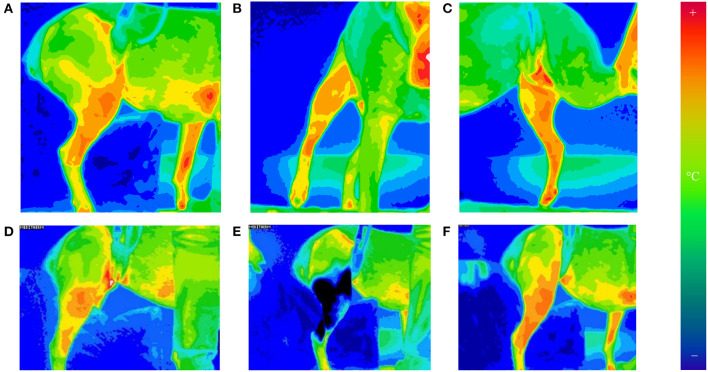
Cold therapy (cryotherapy) causes vasoconstriction, reduces swelling and slows nerve conduction. Heat therapy causes vasodilation, relaxes muscle and makes tissue more extensible, so stiff joints move further.4 Both reduce pain partly through the gate control theory: input from temperature and touch receptors blocks pain signals in the dorsal horn of the spinal cord.4
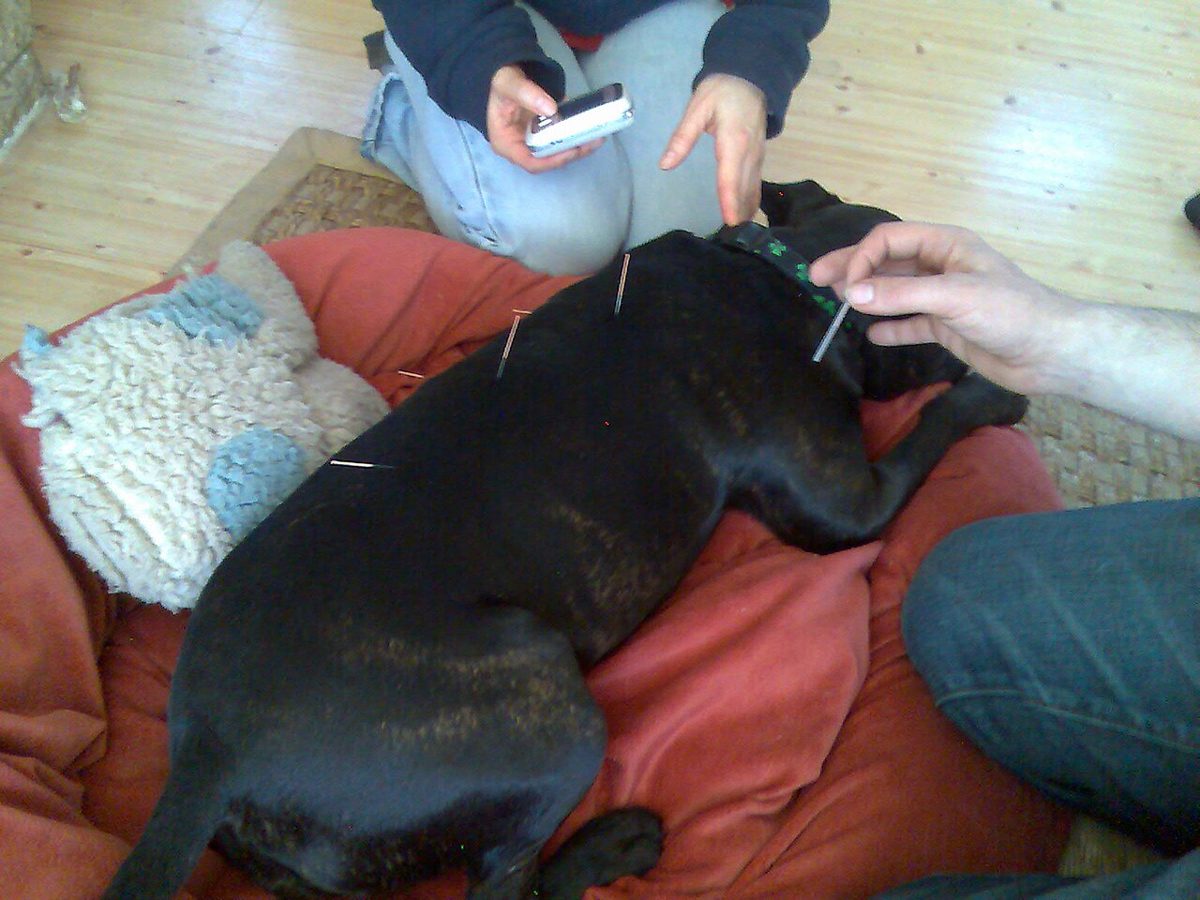
Other rehabilitation tools include passive range of motion (PROM), massage, hydrotherapy, photobiomodulation and acupuncture. PROM uses an outside force to move a joint through its available range without the patient contracting its muscles.10 Many owners can learn PROM at home.3 Hydrotherapy means exercise in water. An underwater treadmill allows controlled weight-bearing exercise, while swimming gives more joint flexion with little limb loading. Raising or lowering the water changes joint loading and muscle use.3 Photobiomodulation therapy (PBMT), also called low-level or cold laser therapy, uses light at set wavelengths to change cell activity and raise pain thresholds.3 Acupuncture alters pain pathways through the release of endorphins, enkephalins and other neurochemicals. Trials in OA show mixed results, though the evidence base is growing.3 Merck notes that published evidence for these complementary therapies is still relatively small.2
| Modality | Main indication | Technician role |
|---|---|---|
| Cold pack, ice massage, cold compression | Acute injury, postoperative swelling (first 24 to 72 h) | Barrier, 10 to 20 min (ice massage 5 to 10 min), skin check after 5 min |
| Heat pack | Subacute and chronic stiffness, before PROM or stretching | Barrier, 15 to 20 min, check skin every few minutes, never an electric pad under a sedated patient |
| PROM and stretching | Loss of joint motion, recumbent or postoperative patients | Move joints slowly within comfort, keep the movement non-painful, teach the owner |
| Hydrotherapy (underwater treadmill, swimming) | Strength and controlled loading in OA and after surgery | Set water depth as prescribed; depth changes joint loading |
| Photobiomodulation (laser) | Acute and chronic pain, edema, wound healing | Wavelength-specific eye protection for everyone in the room |
| Acupuncture | Chronic OA pain, adjunct for cancer pain | Calm restraint and patient monitoring |
Sources: Bowditch 2022 (thermal times and precautions); Marcellin-Little et al 2026 (PROM, hydrotherapy, PBMT, acupuncture); Goldberg, Today's Veterinary Nurse (laser uses); OSHA Technical Manual (laser goggles).
Procedure or technique
Setting up and running a CRI
- Read the order: drug, dose rate (for example mg/kg/hour), patient weight, delivery method and any loading dose.
- Choose the method. A single fluid bag carrying both drug and fluids is simple, but you cannot change the fluid rate without changing the drug dose. A syringe pump or a second pump line separates the drug from the fluids.6
- Calculate the drug volume, have a second person check the math, add the drug and label the bag or syringe with drug, amount, dose rate and the time it was made.
- Program the pump in mL/hour. Infusion pumps are set in mL/hour; gravity sets are counted in drops per minute.14
- Monitor and record pain and sedation scores, heart rate, respiratory rate and the catheter site on a schedule. Report rising sedation or any new abnormal sign to the veterinarian.
- Never change the rate or stop the CRI on your own. Tapering is a veterinary decision.
Applying cold or heat
- Confirm the order and how long ago the injury or surgery happened (Figure 2).
- Check that the patient has normal skin sensation and a stable body temperature. Wait if the patient is still hypothermic after anesthesia.4
- Place a thin towel or other barrier between pack and skin.4
- Cold: 10 to 20 minutes; look for redness or blanching after 5 minutes. Heat: 15 to 20 minutes; check the skin every few minutes.4
- Use heat before PROM, stretching or massage; use cold after exercise if the joint is sore.4
- Record the modality, site, time and the patient's response.
Passive range of motion
- If the veterinarian has ordered heat, apply it first. Heat relaxes the muscles, so you gain a greater stretch with less force and less risk of tissue damage.4
- Move the joint slowly through its available range. PROM should be non-painful sensory stimulation that gently stretches the tissues around the joint.3
- If the patient shows pain during the movement, stop at that point and tell the veterinarian.
- For critically ill recumbent patients, physical therapy 3 to 4 times a day helps maintain range of motion, muscle tone and blood flow.11
- Score and document pain at every rehabilitation visit.10
Flowchart: the chronic pain plan cycle
Weight control and home changes
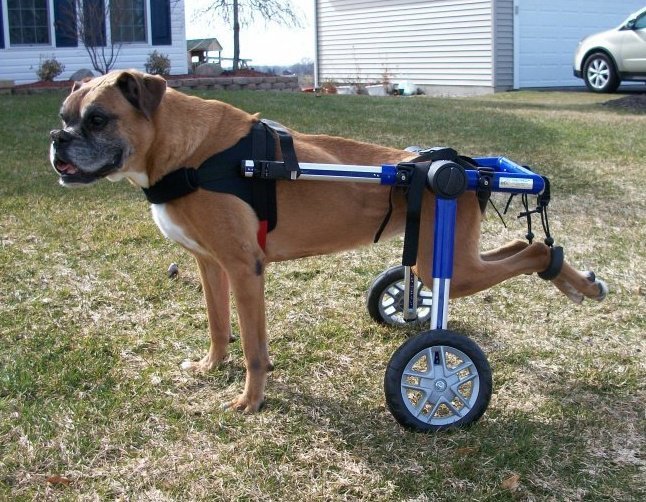
For overweight dogs, the plan should include daily energy needs, diet advice (including foods to avoid), a target weight and a safe rate of weight loss.3 The technician often runs the weigh-ins and explains the plan. Home changes include better floor traction with rugs or runners, ramps instead of steps, softer bedding, raised food and water bowls, nail and foot-hair trimming, and harnesses or carts for mobility.3 Warmth in cold, damp weather and extra padding may also help.2
Home pain monitoring
Owners see behavior that never appears in the exam room. For dogs, validated owner questionnaires include the Canine Brief Pain Inventory (CBPI), the Helsinki Chronic Pain Index, the Liverpool Osteoarthritis in Dogs score (LOAD) and the Canine Orthopedic Index.3 For cats, caregiver tools include the Feline Musculoskeletal Pain Index (FMPI). Short videos of 20 to 30 seconds showing the cat walking, using stairs and jumping up and down are an excellent addition to the exam.9 Ask the owner to use the same tool each time so scores can be compared.
| What to record | Example | Why it matters |
|---|---|---|
| Owner questionnaire score | CBPI or LOAD (dog), FMPI (cat) | Validated, comparable over time |
| Short home videos | Cat jumping up and down, dog on stairs | Shows signs the clinic cannot see |
| Body weight | Weigh-in at each recheck | Excess weight worsens OA |
| Activities of daily living | Rising, stairs, play, litter box use | Functional loss is the core OA sign |
| Home exercises done or missed | PROM log | Completion should be documented |
Sources: Marcellin-Little et al 2026; ISFM and AAFP 2024 long-term NSAID guidelines for cats; Goldberg, Today's Veterinary Nurse.
Hospice and comfort care
Veterinary palliative medicine focuses on the comfort and quality of life of animals with chronic or terminal illness. It also considers the caregiver's well-being.12 Comfort-focused care follows the human hospice model: symptom control, dignity and family presence.12 Cancer pain needs frequent reassessment and adjustment, and opioids remain a cornerstone of treatment within a multimodal plan.2 The technician helps by teaching medication schedules, setting up bedding and easy access to food, water and litter, and booking regular quality-of-life checks.
Species differences
- Dog: most rehabilitation research and owner questionnaires are canine. OA signs often begin in middle age, not only in geriatric dogs.3
- Cat: lidocaine CRIs need lower or shorter rates;6 morphine is used at the low end of its range.6 Chronic pain shows as behavior changes at home, so videos and caregiver tools matter.9
- Horse: laminitis is a major chronic pain condition.2 Acupuncture and rehabilitation are used for OA pain in several species, including horses.2
- Small, very young or old patients: they may not tolerate a full 10 to 20 minute cold treatment and need watching for hypothermia.4
Calculation
Worked example: ketamine added to a fluid bag. A 20 kg dog needs ketamine at 0.6 mg/kg/hour. The fluid rate is 50 mL/hour from a 1,000 mL bag. Ketamine is 100 mg/mL. How much ketamine goes into the bag?
Step 1. Dose per hour: 20 kg x 0.6 mg/kg/hour = 12 mg/hour (kg cancels).
Step 2. How long the bag lasts: 1,000 mL / 50 mL/hour = 20 hours (mL cancels).
Step 3. Drug for the whole bag: 12 mg/hour x 20 hours = 240 mg (hours cancel).
Step 4. Volume: 240 mg / 100 mg/mL = 2.4 mL of ketamine (mg cancels).
Check: 240 mg in 1,000 mL is 0.24 mg/mL; 0.24 mg/mL x 50 mL/hour = 12 mg/hour. If the veterinarian later changes the fluid rate, the ketamine dose changes too, which is the main drawback of the single-bag method.6
Safety, legal and client education
- Morphine and fentanyl are Schedule II controlled substances, and ketamine is Schedule III.1516 Log every volume drawn up for a CRI and any waste.
- An electric heating pad should never be placed over or under a patient, especially one that is sedated, anesthetized or has reduced skin sensation.4
- Do not use cold on areas with poor sensation, poor circulation or a history of frostbite. Avoid heat in acute inflammation, fever, bleeding disorders, pregnancy and malignancy.4
- Laser: OSHA requires laser safety goggles matched to the specific wavelength for workers exposed to laser beams.13
- Teach owners with verbal, printed and hands-on instructions for home exercises, and document whether they are done.10
- Tell owners to avoid "weekend warrior" bursts of hard exercise; steady daily activity is better.3
Common mistakes and exam traps
- Heat on a fresh surgical site. Heat waits until at least 48 hours; the first 24 to 72 hours are for cold.
- Ice straight on the skin, or for 30 minutes or longer. Use a barrier and 10 to 20 minutes.
- Thinking ketamine CRI is an anesthetic dose. At CRI doses it is an NMDA antagonist added to other analgesics.
- Changing the fluid rate on a single-bag CRI without realizing the drug dose changes too.
- Treating MLK sedation as harmless. Score it and report increases.
- Believing that a technician may diagnose OA or choose the drug plan. The technician implements, teaches and monitors.
Memory aids
M-L-K = Mu, Local, Ketamine-NMDA (memory aid): morphine is the mu opioid, lidocaine the local anesthetic, ketamine the NMDA blocker against wind-up.
Cold first, heat after 2 days (memory aid): cold in the first 24 to 72 hours, heat no earlier than 48 hours.
Twenty is plenty, thirty is the limit (memory aid): cold packs 10 to 20 minutes, heat packs 15 to 20 minutes, never more than 30 for either.
3 to 5 to steady (memory aid): without a loading dose, a CRI takes 3 to 5 half-lives to reach steady state.
Quick review
- A CRI gives a steady drug level and avoids the peaks and valleys of repeated injections.
- MLK is morphine, lidocaine and ketamine; MLK can increase sedation.
- Ketamine at CRI doses blocks NMDA receptors and is never the only analgesic.
- A loading dose matters because steady state takes 3 to 5 half-lives.
- Single-bag CRIs tie drug dose to fluid rate; syringe pumps separate them.
- Cats need lower or shorter lidocaine CRIs and low-end morphine rates.
- Cold: 10 to 20 minutes, every 2 to 4 hours, up to 72 hours, barrier, skin check at 5 minutes.
- Heat: from 48 hours on, 15 to 20 minutes, maximum 30, never an electric pad under a sedated patient.
- Weight control and mild to moderate daily exercise are core OA care.
- PROM moves a joint without muscle contraction; owners can learn it.
- Owners monitor with validated tools (CBPI, LOAD, FMPI) and short videos.
- Chronic pain plans are multimodal and need regular rechecks.