Introduction
A poisoning call often starts at the front desk. An owner says the dog ate a bag of raisins, or the cat chewed a lily from a bouquet. What the team does in the next hour can decide whether the patient goes home or develops kidney failure. Toxicosis means illness caused by a poison (a toxicant). Decontamination means removing the poison or blocking its absorption before it does harm.
This guide covers the toxins most often tested and seen in small animal practice, how emesis (induced vomiting) is chosen by species, when it must not be done, activated charcoal, bathing, the main antidotes, and the two US animal poison control centers. The veterinarian decides on treatment. The technician gathers the history, calculates doses, gives the emetic on order, and monitors the patient.
Key facts
- Do not induce emesis in a patient that is already vomiting or showing signs such as agitation, ataxia, dyspnea, seizures, recumbency or coma.2
- Never induce emesis after a strong acid, alkali or other corrosive, or after hydrocarbons such as kerosene, paint thinner or lighter fluid.2
- Hydrogen peroxide (3%) is a dog emetic at 1 mL/lb, not to exceed 45 to 50 mL. It is not recommended in cats because of the risk of severe hemorrhagic esophagitis and gastritis.21
- Cats are given an alpha-2 agonist (xylazine or dexmedetomidine) to vomit. Apomorphine works poorly in cats.2
- Activated charcoal does not bind heavy metals, xylitol, ethanol or fertilizers well, so it is not given for these.2
- True lilies (Lilium and Hemerocallis species) cause kidney injury in cats.6
- Bleeding from anticoagulant rodenticides usually appears 3 to 7 days after ingestion, and the antidote is vitamin K1.8
- ASPCA Animal Poison Control: (888) 426-4435. Pet Poison Helpline: (855) 764-7661. Both run 24 hours a day and charge a fee.1314
How the VTNE tests this
- Triage a patient that presents after a toxin exposure (Domain 8 Task B, which names toxicity among the emergency conditions; knowledge area K6 Toxicology).15
- Decide whether emesis is appropriate, and choose the emetic for a dog or a cat.
- Match a toxin to its signs and its antidote or key treatment, such as fomepizole for ethylene glycol or N-acetylcysteine for acetaminophen.
- Calculate a hydrogen peroxide volume or a toxin dose in mg/kg.
- Advise a client on the phone: what to bring, what not to give at home, and when to call poison control (K35 first aid and emergency care).15
Core concepts
Decontamination works only in a window
Emesis is most effective within 30 to 90 minutes of ingestion, although the window depends on the substance.2 In one study, about 49% of stomach contents came back when dogs were made to vomit within 30 minutes, and 17% to 62% within 1 hour.2 Emesis never empties the stomach, so treatment and monitoring continue after the patient vomits.
Some toxins have a longer window. Merck lists emesis within 2 hours for chocolate and within 4 hours for anticoagulant rodenticides and bromethalin.389 For cannabis (THC), decontamination is considered only within 1 hour and only in a patient with no signs.12
Once a patient shows signs, the poison has already acted. Decontamination by vomiting is then inappropriate and can cause aspiration pneumonia.2
Activated charcoal
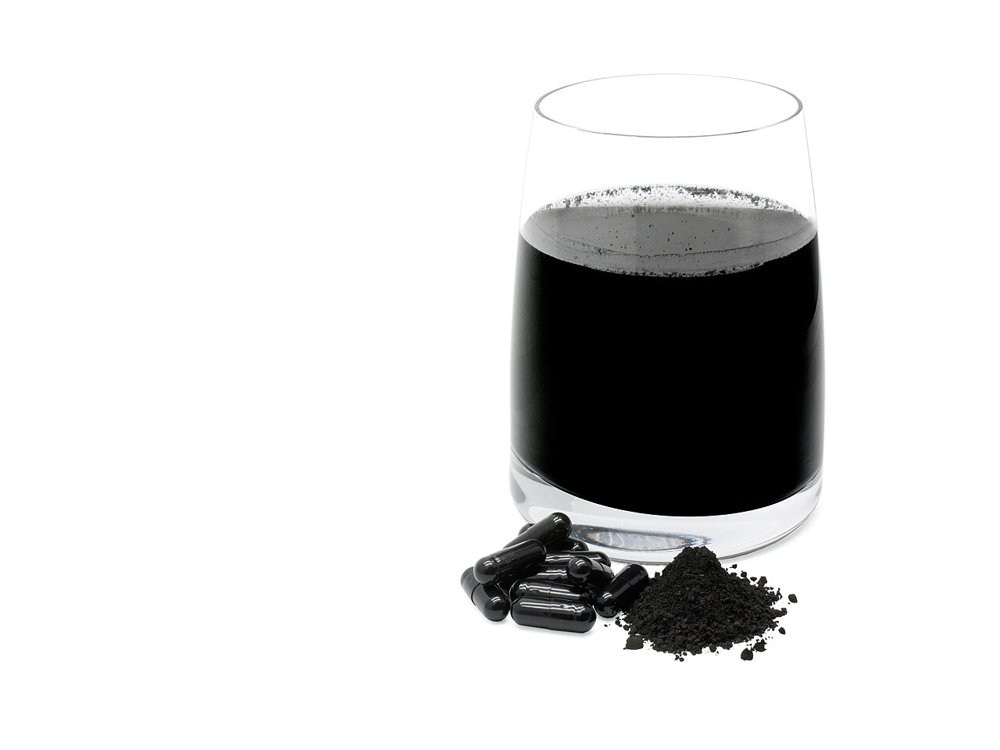
Activated charcoal binds most organic compounds in the gut, reduces their absorption and helps carry them out in the feces.2 A typical dose is 1 to 2 g/kg by mouth, often with a cathartic such as sorbitol.8 Repeated doses are used for toxins that recirculate through the liver and gut, such as bromethalin.9 Adverse effects include vomiting, aspiration and hypernatremia (high blood sodium), so the patient is watched for at least 4 hours afterward.2 Hypernatremia has occurred with charcoal given after chocolate exposure in particular.3
Common toxins
| Toxin | Species most at risk | Signs and timing | Antidote or key treatment |
|---|---|---|---|
| Chocolate (theobromine, caffeine) | Dog | Vomiting, diarrhea, polydipsia, restlessness within 6 to 12 h; then hyperactivity, tremors, seizures, cardiac effects | No antidote. Emesis if within about 2 h, ECG monitoring, urinary catheter in nonambulatory patients3 |
| Xylitol | Dog only | Hypoglycemia as soon as 30 min (up to 12 to 18 h with some gums); liver injury in some dogs at over 500 mg/kg | Blood glucose every 1 to 2 h for at least 12 h, IV dextrose, liver enzymes every 24 h for 72 h4 |
| Grapes, raisins | Dog | Vomiting or diarrhea in 6 to 12 h; oliguric or anuric kidney failure within 24 to 72 h | Early decontamination, IV fluids to keep urine flowing5 |
| True lilies | Cat | Salivation, vomiting, lethargy in 1 to 3 h; polyuria and dehydration over 12 to 30 h; death in 3 to 7 days if untreated | Emesis, one dose of charcoal, IV fluids for 24 to 48 h; dialysis once anuric6 |
| Ethylene glycol (antifreeze) | Dog, cat | Looks like alcohol intoxication in 30 min to 12 h; calcium oxalate crystals; kidney failure later | Fomepizole (4-MP) or ethanol, given early; IV fluids7 |
| Anticoagulant rodenticides | Dog, cat | Bleeding 3 to 7 days after ingestion: epistaxis, hematomas, dyspnea from hemothorax, melena | Vitamin K1 by mouth, often for 28 days; recheck PT 2 to 3 days after the last dose8 |
| Bromethalin | Cat most sensitive, then dog | Tremors, seizures, hindlimb weakness or paralysis; cerebral edema within 1 to 7 days | No antidote. Emesis within 4 h, multiple doses of charcoal with sodium checks9 |
| Human NSAIDs (ibuprofen, naproxen, aspirin) | Dog, cat | Vomiting, GI ulceration and bleeding | Decontamination, GI protectants such as misoprostol, supportive care10 |
| Acetaminophen | Cat (40 to 50 mg/kg); dog above 100 mg/kg | Cat: brown or muddy membranes (methemoglobinemia), facial and paw edema, dyspnea; dog: liver injury | N-acetylcysteine; ascorbic acid or methylene blue may help10 |
| Permethrin (dog spot-on on a cat) | Cat | Twitching, tremors, hypersalivation, mydriasis, seizures | Bath in lukewarm water with a mild soap detergent, methocarbamol for tremors, avoid hypothermia11 |
| Cannabis (THC) | Dog | Ataxia, lethargy, urinary incontinence, hyperesthesia, bradycardia within 1 to 2 h | Supportive care; signs usually resolve in 1 to 3 days12 |
Sources: Merck Veterinary Manual toxicology chapters (references 3 to 10, 12); MSPCA-Angell (reference 11).
A few details worth knowing
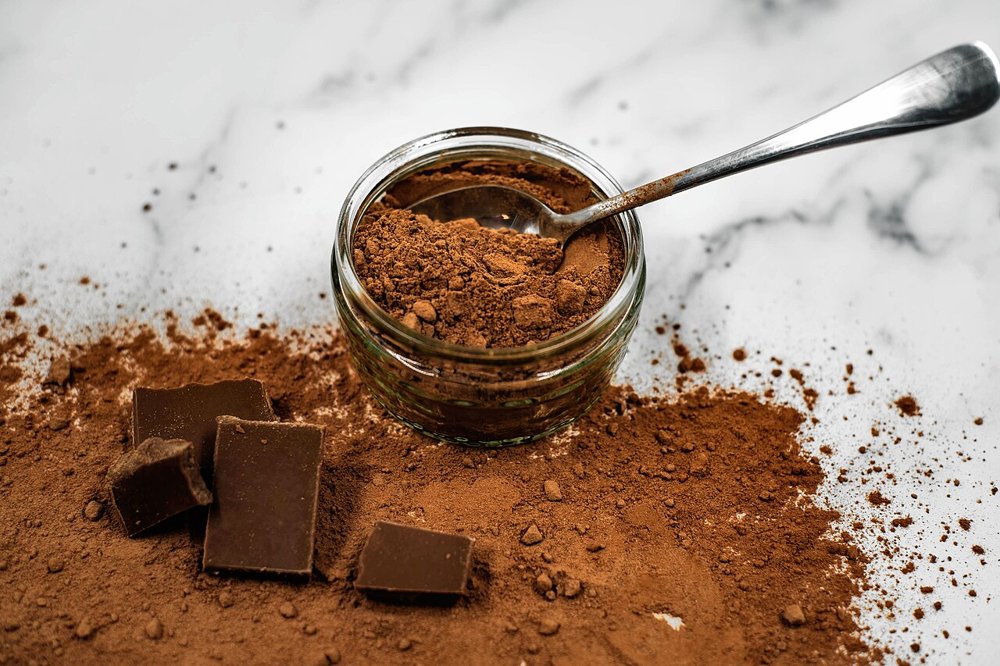
Chocolate. The darker and less sweet the product, the more methylxanthine it holds. Merck gives about 807 mg/oz for cocoa powder, 440 mg/oz for unsweetened baking chocolate, 150 to 160 mg/oz for semisweet and dark chocolate, 64 mg/oz for milk chocolate, and a negligible amount in white chocolate.3 Mild signs can appear at 20 mg/kg, cardiac effects at 40 to 50 mg/kg, and seizures at 60 mg/kg or more.3 Methylxanthines can be reabsorbed from urine in the bladder, which is why nonambulatory patients get a urinary catheter.3
Xylitol. Xylitol is a sugar alcohol used in sugar-free gum, candy, some peanut butters and some liquid medications such as gabapentin solutions.4 Doses above about 100 mg/kg cause hypoglycemia in dogs. Dogs are the only domestic species in which xylitol toxicosis has been reported.4
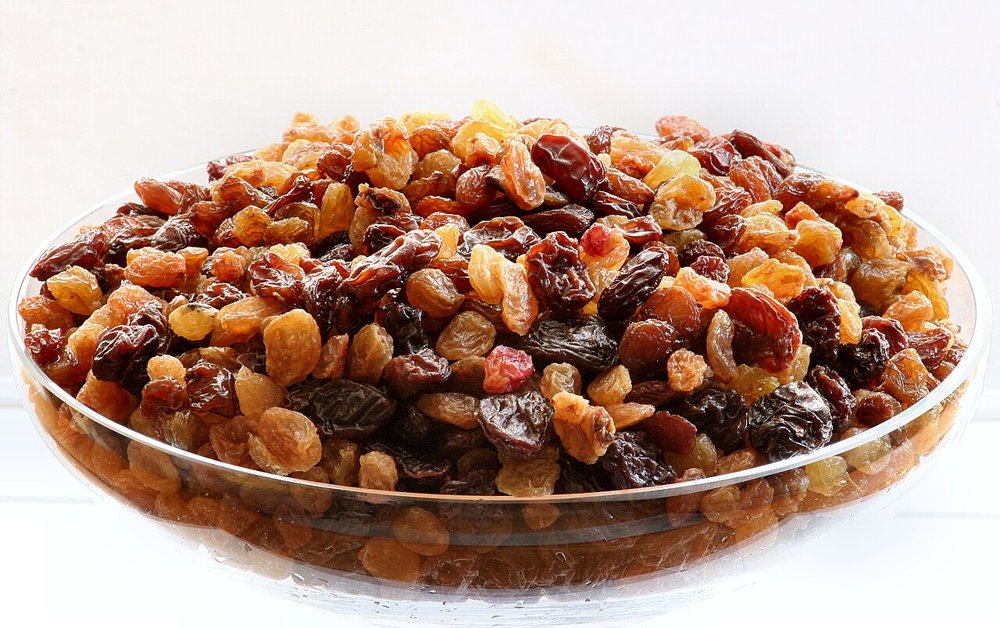
Grapes and raisins. The proposed toxic principle is tartaric acid. More than one grape or raisin per 4.5 kg (10 lb) of body weight may be enough to put a dog at risk.5
Lilies. Only lilies in the Lilium and Hemerocallis groups are true lilies, and these damage the kidney tubules in cats.6 Easter, tiger, Asiatic and daylilies belong here. Peace lily and calla lily are not true lilies. They contain insoluble calcium oxalate crystals that irritate the mouth.6 Even "just a nibble" from a cat is reported to the veterinarian at once.


Ethylene glycol. The minimum lethal dose of undiluted ethylene glycol is 1.4 mL/kg in cats and 4.4 to 6.6 mL/kg in dogs.7 Its toxic metabolite, oxalic acid, binds calcium and forms calcium oxalate crystals in the kidney tubules. In dogs, fomepizole is the treatment of choice. Cats need a much higher, extra-label dose of fomepizole.7
Rodenticides. Rodent baits look alike, so always ask the owner for the package. Anticoagulants block vitamin K recycling, and clotting test values rise 2 to 5 days after ingestion.8 Bromethalin is a different poison. It attacks the nervous system, cats are extremely sensitive to it, and no antidote exists.9
Procedure or technique
Phone triage and intake
- Ask what was eaten (product name, strength, active ingredient), how much, when, and the pet's weight. Tell the owner to bring the package or label.
- Ask about signs now: vomiting, tremors, weakness, breathing trouble. A patient with signs comes straight in for stabilization.
- Do not tell the owner to give salt, baking soda or dish soap to cause vomiting. Salt and baking soda can cause hypernatremia, and soap bubbles can be inhaled.2
- Give the poison control numbers if the veterinarian or owner wants a toxicologist consult. The case number they issue lets the clinic call back for treatment advice.
Inducing emesis on a veterinarian's order
- Confirm the patient is alert, not vomiting and has no contraindication (see Figure 1).
- Weigh the patient and calculate the dose. Have the vet check it.
- Dogs: apomorphine IV or IM at 0.02 to 0.04 mg/kg, or into the conjunctival sac; vomiting is almost immediate after IV and usually within 5 minutes after IM. Flush the eye with saline after a conjunctival dose.2 Ropinirole, applied to the eye, is another dog option.12 Hydrogen peroxide (3%) at 1 mL/lb, not exceeding 45 to 50 mL, usually works in 10 to 15 minutes and can be repeated once.2
- Cats: xylazine (0.44 to 1 mg/kg IM or SC) or dexmedetomidine (about 7 mcg/kg IM or 3.5 mcg/kg IV). Reverse with yohimbine or atipamezole once the cat has vomited.2
- Use a well-lit area that is easy to clean, such as tile or concrete.2 Look through the vomitus for the toxin and record what came up and when.
- Give charcoal only if ordered and only to a patient that can protect its airway. Then monitor for aspiration and hypernatremia.
Dermal decontamination
For topical exposure such as permethrin on a cat, bathe with a mild soap detergent in lukewarm water. Warm water raises skin blood flow and absorption, and cold water can worsen tremors through hypothermia.11 Wear gloves and an apron, dry the cat well and check its temperature.
Flowchart
Species differences
| Point | Dog | Cat |
|---|---|---|
| Emetic of choice | Apomorphine, ropinirole or 3% hydrogen peroxide | Xylazine, dexmedetomidine (Merck rodenticide chapters also list hydromorphone) |
| Hydrogen peroxide | 1 mL/lb, max 45 to 50 mL | Not recommended: hemorrhagic esophagitis and gastritis |
| Why the difference | Apomorphine acts on dopamine receptors in the chemoreceptor trigger zone | Apomorphine works poorly; alpha-2 agonists are more potent emetics in cats |
| Classic toxins | Chocolate, xylitol, grapes and raisins, THC | Lilies, permethrin, acetaminophen |
| Ethylene glycol | Minimum lethal dose 4.4 to 6.6 mL/kg | Minimum lethal dose 1.4 mL/kg; higher fomepizole dose |
| Bromethalin LD50 | 2.38 to 5.6 mg/kg | 0.4 to 0.71 mg/kg |
Sources: Merck emetic drugs (reference 1), Freed (reference 2), Merck ethylene glycol, rodenticide and bromethalin chapters (references 7 to 9).
Cats are hit hard by permethrin and acetaminophen because their liver is poor at glucuronide conjugation and, for acetaminophen, because the sulfation pathway saturates and toxic metabolites build up.1110 A dog spot-on product put on a cat causes the most severe cases, with twitching, tremors and seizures.11 In dogs, signs are not seen unless the dose exceeds 100 mg/kg, liver injury is more common than in cats, and methemoglobinemia has been reported above 200 mg/kg.10
Calculation
Worked example 1: hydrogen peroxide volume. A 22 lb dog ate a sock 20 minutes ago and the veterinarian orders 3% hydrogen peroxide at 1 mL/lb.
22 lb x 1 mL/lb = 22 mL. The lb units cancel, leaving mL. This is under the 45 to 50 mL maximum, so give 22 mL.
Worked example 2: chocolate dose. A 10 kg dog ate 2 oz of unsweetened baking chocolate (about 440 mg methylxanthines per oz).
2 oz x 440 mg/oz = 880 mg. The oz units cancel. 880 mg / 10 kg = 88 mg/kg.
88 mg/kg is above the 60 mg/kg level at which seizures can occur, so this dog needs urgent care. The same 2 oz of milk chocolate (64 mg/oz) gives 128 mg / 10 kg = 12.8 mg/kg, below the 20 mg/kg level for mild signs.3
Safety, legal and client education
- ASPCA Animal Poison Control, (888) 426-4435, and Pet Poison Helpline, (855) 764-7661, both answer 24 hours a day, 365 days a year. Both charge a consultation fee (Pet Poison Helpline lists $99 per incident).1314
- Apomorphine is excluded from the Schedule II opiate listing.16 It is given only on a veterinarian's order.
- Wear gloves when bathing a patient after a topical exposure, and when handling vomitus that may contain the toxin.
- Client education: keep sugar-free gum, raisins, chocolate and human pain medicines out of reach; never give a cat acetaminophen or a dog flea product; keep cut lilies out of homes with cats; store antifreeze sealed and clean up spills; use rodent bait only in tamper-resistant stations and keep the package.
- Tell owners not to wait for signs. For lilies, grapes, xylitol and ethylene glycol, the best outcome comes from treatment before signs appear.67
Common mistakes and exam traps
- Giving hydrogen peroxide to a cat. Cats get an alpha-2 agonist instead.
- Inducing emesis after drain cleaner, bleach-type corrosives or petroleum products. The answer is no emesis.
- Giving charcoal for xylitol. Charcoal binds it poorly, and the priority is blood glucose monitoring and dextrose.24
- Assuming a peace lily or calla lily causes kidney failure in cats. Those are oral irritants. True lilies (Lilium, Hemerocallis) are the kidney toxins.
- Expecting bleeding on day 1 after an anticoagulant rodenticide. Signs usually appear 3 to 7 days later, and stopping vitamin K1 early lets bleeding return.
- Mixing up bromethalin (neurologic, no antidote) with anticoagulant baits (bleeding, vitamin K1).
Memory aids
"Signs, Corrosive, Hydrocarbon: no puke": if the patient already has signs, swallowed a corrosive or swallowed a hydrocarbon, do not induce emesis (memory aid).
"Dogs drink peroxide, cats get alpha-2": 3% hydrogen peroxide is a dog emetic at 1 mL/lb up to 45 to 50 mL; cats receive xylazine or dexmedetomidine (memory aid).
"Dark is dangerous": cocoa powder and baking chocolate carry the most methylxanthine per ounce, milk chocolate much less, white chocolate almost none (memory aid).
"Charcoal skips the MEXF": Metals, Ethanol, Xylitol, Fertilizers are poorly bound by activated charcoal (memory aid).
"Lily, Leaf, Kidney": any part of a true lily eaten by a cat means a kidney risk and immediate treatment (memory aid).
Quick review
- Emesis yields the most within 30 to 90 minutes of ingestion.
- No emesis if the patient has signs, or after corrosives or hydrocarbons.
- Dog emetics: apomorphine, ropinirole, 3% hydrogen peroxide at 1 mL/lb (max 45 to 50 mL).
- Cat emetics: xylazine or dexmedetomidine; reverse with yohimbine or atipamezole.
- Activated charcoal 1 to 2 g/kg PO; watch for aspiration and hypernatremia.
- Xylitol: dogs only; hypoglycemia, then possible liver injury above 500 mg/kg.
- Grapes and raisins: kidney failure in dogs within 24 to 72 hours.
- True lilies: kidney injury in cats; IV fluids for 24 to 48 hours.
- Ethylene glycol: fomepizole or ethanol, early; calcium oxalate crystals.
- Anticoagulant rodenticide: bleeding at 3 to 7 days; vitamin K1, recheck PT.
- Acetaminophen in cats: brown membranes, facial edema; N-acetylcysteine.
- Permethrin in cats: lukewarm bath with a mild soap detergent, methocarbamol, keep warm.