Introduction
Turning off the vaporizer does not end the anesthetic. The 2020 AAHA guidelines report that 47% of anesthetic-related deaths in dogs and 60% in cats happen in the postoperative period, most within the first 3 hours.1 Recovery is the phase where staff relax, move on to the next case and leave the patient alone in a kennel. AAHA says the recovering patient needs monitoring by trained personnel "with the same vigilance as during the maintenance phase".1
This guide covers what the technician does from the end of anesthesia to discharge: when to pull the endotracheal tube (ETT), what to watch and how often, how to keep the patient warm, how to tell pain from dysphoria and emergence delirium, and what the client needs to hear at the door.
Key facts
- 47% (dogs) and 60% (cats) of anesthetic-related deaths happen after the procedure, most within the first 3 hours.1
- Dogs: extubate when the patient swallows vigorously and can protect its airway, with normal respiratory rate and SpO2. Deflate the cuff right before you pull the tube.1
- Cats: extubation is often done earlier, at a strong palpebral reflex, ear flick, faster breathing or slight tongue movement.3
- Brachycephalic dogs: delay extubation until gag and swallow reflexes are strong, keep them sternal with the head up, and give oxygen.4
- Target recovery time: within 10 to 30 minutes of the end of anesthesia (AAHA); 15 to 30 minutes for cats (AAFP).12
- Hypothermia is below 98 °F (36.7 °C). Keep warming devices on through recovery.1
- Leave the IV catheter in until the patient is extubated, sternal and has normal physiologic parameters.1
- Watch the patient until it is alert, normothermic and ambulatory (unless it was nonambulatory before surgery).1
How the VTNE tests this
- Anesthesia is 20 of the 150 scored items (13%). Task F asks you to "monitor and respond to patient status during all stages of anesthesia (pre-, peri-, and post-)".6
- Expect timing questions: "When should this dog (or cat, or Bulldog) be extubated?"
- Expect scenario questions: an agitated, thrashing patient and a set of vital signs. Is it pain, dysphoria, emergence delirium or hypoxemia?
- Expect threshold recall: hypothermia cut-off, recovery time, discharge sedation and appetite time frames.
Core concepts
Recovery is the fourth phase of anesthesia, after preanesthesia, induction and maintenance.1 Inhalant leaves the body through the lungs, so the patient wakes as fast as it breathes the drug off. Anything that slows breathing or drug metabolism slows recovery.
Delayed recovery means the patient is slow to regain consciousness. AAHA lists excessive anesthetic depth during maintenance, hypothermia and hypoglycemia (especially in small or neonatal patients) as causes.1 The AAFP cat guidelines add hypovolemia and impaired drug metabolism, and say treatment is mostly supportive: warming and good oxygen delivery with IV fluids.2
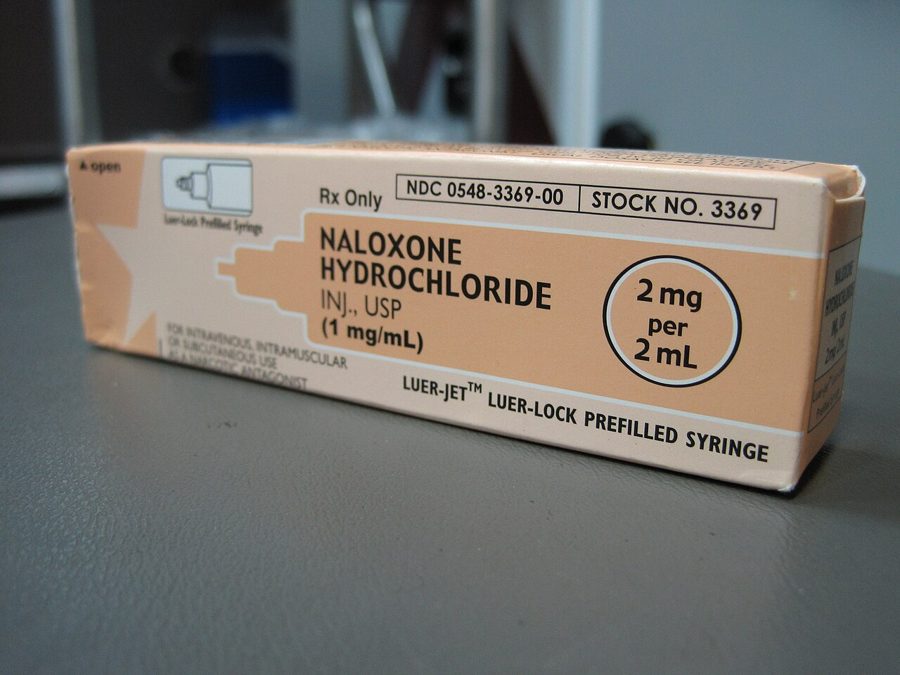
Reversal agents are used with care. AAHA says alpha-2 agonists should be reversed only if the patient is excessively sedate or a rapid recovery is needed. Opioids should be reversed only if other analgesics have been given; otherwise the patient may feel intolerable pain.1
Emergence delirium is uncontrolled, uncoordinated thrashing, often seen when a patient regains partial consciousness quickly after the maintenance drugs stop. Dysphoria is an unpleasant, agitated state that can come from uncontrolled pain, hypoxemia from airway obstruction or the drugs themselves. AAHA notes the two are often hard to tell apart.1
Respiratory depression, with high carbon dioxide (hypercapnia) and low oxygen (hypoxemia), often persists in early recovery. Severe hypercapnia can lead to cerebral impairment and respiratory arrest. Keep the capnograph adapter on the ETT until extubation and use a pulse oximeter throughout recovery.1
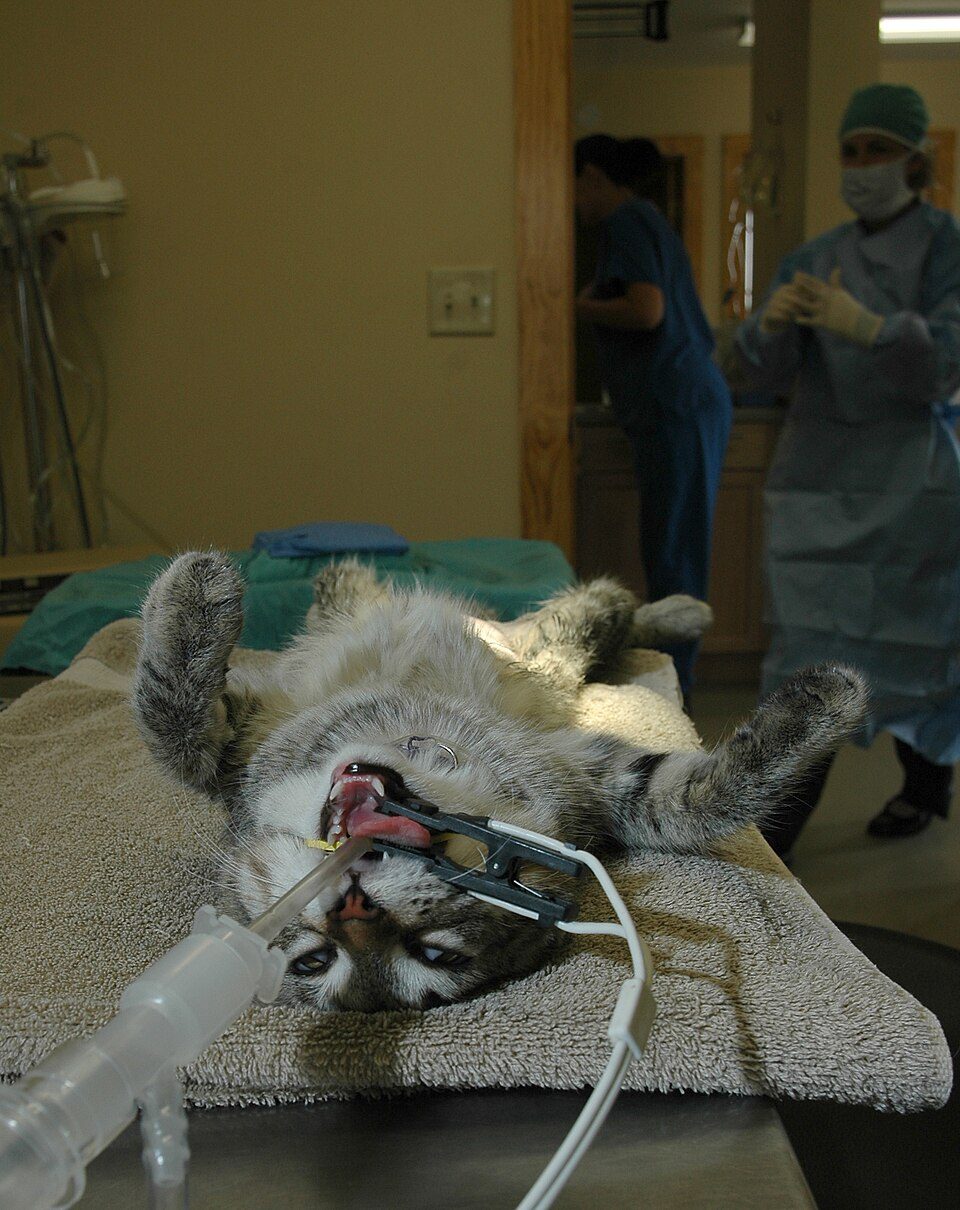
Procedure: from vaporizer off to sternal
- Turn the vaporizer off and keep the patient on oxygen. Keep the capnograph and pulse oximeter on.1
- Keep warming devices on. Check temperature; below 98 °F (36.7 °C) is hypothermia.1
- Untie the tube tie so the tube can come out quickly once the patient is ready.
- Watch for the extubation signs for the species (Figure 3). Deflate the cuff immediately before removing the tube.1
- After a dental procedure or rhinoscopy, place the nose slightly lower than the back of the head and pull the tube with the cuff slightly inflated. This drags blood clots and debris out of the trachea into the pharynx, where they can drain or be swallowed.1
- Check that the patient breathes freely after extubation. Look at mucous membrane color and listen for upper airway noise.
- Leave the IV catheter in until the patient is extubated, sternal and stable, so drugs can be given fast if needed.1
- Reapply eye lubricant every 2 to 4 hours until the blink reflex returns. Pad nonambulatory patients.1
- Score pain with a validated scale and report the score to the veterinarian.1
- Stay with the patient until it is alert, normothermic and ambulatory.1
| Observation | What you want to see | Report when |
|---|---|---|
| Respiratory rate and effort | Normal rate, no noise, no coughing | Slow or noisy breathing, paradoxical chest movement |
| SpO2 | Within normal limits | Falling after extubation |
| Heart rate and blood pressure | Back toward awake values | Bradycardia, tachycardia, weak pulses |
| Temperature | 98 °F (36.7 °C) or above and rising | Below 98 °F, or a cat climbing toward 106 °F |
| Consciousness | Awake within 10 to 30 minutes | Still not sternal long after anesthesia ends |
| Behavior | Calm, responds to voice | Thrashing, vocalizing, guarding the incision |
| Pain score | Below the scale's intervention level | At or above the intervention level |
| Incision and bandage | Dry, no swelling | Bleeding, strike-through, swelling |
Source: AAHA 2020 Step 4e and AAFP 2018 recovery sections.12 AAHA names HR, RR, SpO2, BP and temperature as the parameters to keep monitoring; the "report when" column is our teaching summary.
Flowchart: extubate now?
Species differences
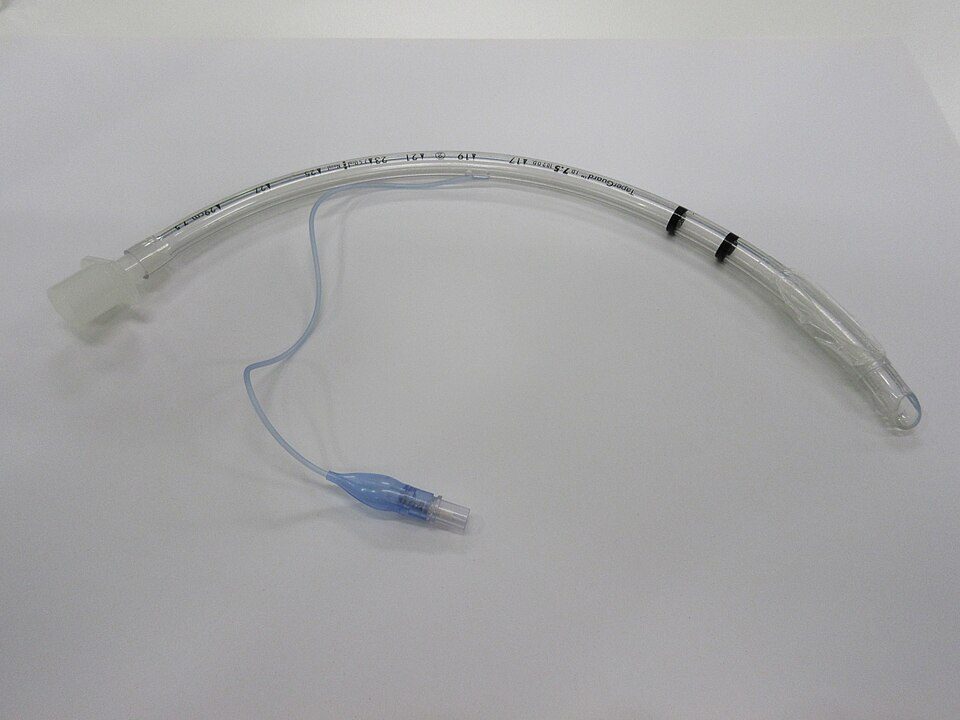
Dogs are extubated when they swallow or show head or limb movement.3 AAHA adds that respiratory rate and SpO2 should be normal and the patient should protect its airway by swallowing vigorously.1
Cats can recover more quickly, and extubation is often done when a strong medial palpebral reflex, ear flick, increase in respiratory rate or slight tongue movement appears.3 Even with close monitoring, a patient can wake faster than expected and chew the tube; watch the mouth.3 If a cat cannot breathe normally after extubation it may panic. AAFP advises a sedative, oxygen and a respiratory assessment, and the cat may need to be re-anesthetized and intubated.2 AAFP recommends a dark, quiet recovery area with warm bedding and direct view of the cat. Do not put the litter box or food bowl in the cage until the cat is sternal and alert.2
Rebound hyperthermia in cats has been reported after anesthesia or sedation, with temperatures as high as 41.1 to 42.2 °C (106 to 108 °F). Hydromorphone was first linked to it, but other opioids and ketamine can also raise temperature. AAFP says this is not a reason to withhold opioids.2 Keep taking temperatures after the cat is warm.
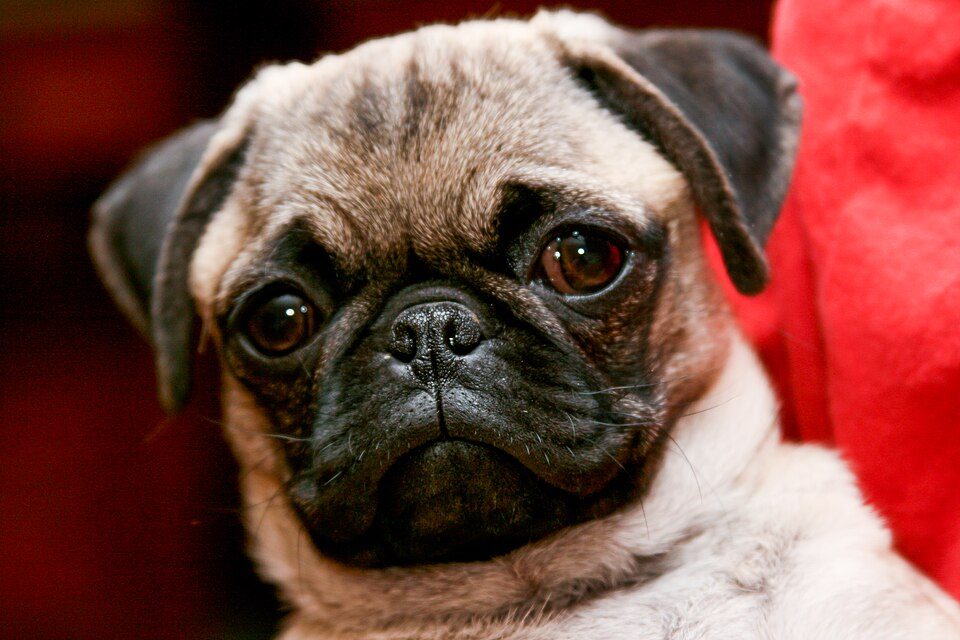
Brachycephalic dogs (Bulldogs, Pugs, French Bulldogs) have narrow upper airways and lose airway tone as they wake. Postoperative respiratory events remain frequent. Common practice is to delay extubation until gag and swallow reflexes are strong, keep the dog sternal or with the head elevated, give oxygen by mask or flow-by, and use small sedative doses to blunt agitation.4
| Patient | Extubation cue | Recovery focus |
|---|---|---|
| Dog | Vigorous swallow, head or limb movement, normal RR and SpO2 | SpO2, temperature, pain score |
| Cat | Strong palpebral reflex, ear flick, faster RR, slight tongue movement | Dark quiet cage, panic after extubation, rebound hyperthermia |
| Brachycephalic dog | Delay until gag and swallow are strong | Sternal, head up, oxygen, ready to reintubate |
| Dental or rhinoscopy patient | Usual cue, nose lower than back of head | Cuff slightly inflated to sweep debris out |
Source: AAHA 2020, AAFP 2018, Nutt and colleagues 2014 and Nagahama 2026.1234
Pain, dysphoria or delirium?
An agitated patient in recovery has a cause, and you look for it in order. First rule out hypoxemia: check breathing, SpO2 and mucous membranes. AAHA lists airway obstruction as a cause of dysphoric recovery; if breathing is the problem, give oxygen and assess respiratory function.1
Next, pain. AAHA says to give an analgesic if pain is suspected. If pain control is adequate, an anxiolytic sedative such as dexmedetomidine (which also provides analgesia) can be given at 0.001 to 0.005 mg/kg IV or IM (up to 0.01 mg/kg). Some patients need small doses of alfaxalone 1 to 2 mg/kg or propofol 1 to 2 mg/kg IV, given slowly until calm. Be ready to reintubate.1 Pain scoring is part of this step: AAHA says scoring "increases the likelihood that pain will be recognized and treated appropriately".1 See the pain scales guide for the Glasgow and feline grimace tools.
For cats, AAFP adds that reversing benzodiazepines or opioids may ease dysphoria, provided analgesia is maintained.2 The technician observes and reports; the veterinarian decides which drug to give.
Calculation
Worked example. A 20 kg dog is thrashing in recovery. Breathing and SpO2 are normal and the pain score is low. The veterinarian orders dexmedetomidine 0.002 mg/kg IV. The vial is 0.5 mg/mL.5
Dose: 20 kg × 0.002 mg/kg = 0.04 mg.
Volume: 0.04 mg ÷ 0.5 mg/mL = 0.08 mL.
The ordered dose sits inside the AAHA range of 0.001 to 0.005 mg/kg.1 A volume this small needs a 1 mL syringe, and many clinics dilute it so it can be measured accurately.
Safety, legal and client education
- Record recovery parameters on the anesthesia record, as AAHA lists documentation of patient parameters during anesthesia and recovery.1
- Pets may be sleepy for the first 12 to 24 hours after discharge but should be easy to wake and able to perform normal functions.1
- Appetite may be decreased for 12 to 24 hours, longer after some procedures.1
- A slight cough for 1 to 2 days can come from mild irritation by the breathing tube.1
- Tell the client to call if appetite or activity does not return to normal within 24 hours.1
- AAHA recommends an anesthetic discharge form in addition to the surgical discharge form, outlining possible complications and when to contact the team.1
Common mistakes and exam traps
- Trap: waiting for a cat to swallow before extubating. Cats are extubated at earlier signs such as an ear flick or strong palpebral reflex.3
- Trap: extubating a Bulldog early "so it does not fight the tube". Brachycephalic dogs keep the tube until gag and swallow are strong.4
- Trap: pulling the tube with the cuff inflated in a routine case. Deflate right before removal; leave it slightly inflated only after dental work or rhinoscopy.1
- Mistake: removing the IV catheter at extubation. Keep it until the patient is sternal and stable.1
- Trap: treating every thrashing patient as painful, or every one as dysphoric. Check oxygenation, then pain, then consider sedation.1
- Trap: reversing the opioid in a painful patient with no other analgesia.1
- Mistake: turning warming off once the patient is extubated. Warming continues throughout recovery.1
Memory aids
DOG SWALLOWS, CAT FLICKS (memory aid): dogs are extubated at a vigorous swallow; cats at an ear flick or strong palpebral reflex, before a full swallow.
3 HOURS, 3 THINGS (memory aid): most postoperative anesthetic deaths happen in the first 3 hours, so watch until the patient is alert, warm and walking.
O-P-S (memory aid): for an agitated recovery, check Oxygen first, then Pain, then Sedation as ordered.
98 IS THE LINE (memory aid): below 98 °F (36.7 °C) is hypothermia, which slows drug metabolism and prolongs recovery.
Quick review
- 47% of canine and 60% of feline anesthetic-related deaths happen after the procedure, most in the first 3 hours.
- Dogs: extubate at a vigorous swallow with normal RR and SpO2. Cats: earlier, at ear flick, strong palpebral reflex or tongue movement.
- Brachycephalic dogs: late extubation, sternal, head up, oxygen.
- Deflate the cuff right before extubation, except after dental work or rhinoscopy.
- Target recovery is 10 to 30 minutes; hypothermia (below 98 °F) and hypoglycemia delay it.
- Keep the IV catheter, pulse oximeter and warming in place until the patient is sternal and stable.
- Agitation: rule out hypoxemia, treat pain, then sedate as ordered.
- Discharge: sleepy 12 to 24 hours, appetite down 12 to 24 hours, mild cough 1 to 2 days; call if not normal in 24 hours.