Introduction
Anesthesia does not start when the induction drug goes in. The 2020 AAHA guidelines describe it as a continuum that begins at home, when the owner fasts the pet and gives any medications the team asked for, and ends when the pet is home again with normal function and little or no pain.1 The preanesthetic phase is where the technician does much of the work: taking the history, recording the physical exam, collecting blood, explaining fasting, assigning a tentative ASA status for the veterinarian to confirm, and working through the checklist.
This guide covers the history, exam and laboratory work, the ASA physical status classes, current fasting advice by species, medications on the day of anesthesia, the anesthetic plan and checklist, and consent.
Key facts
- AAHA advises a thorough physical exam, recorded within 12 to 24 hours before anesthesia and repeated if the patient changes. Failing to record a physical exam was linked to higher odds of death in dogs.1
- The ASA physical status scale runs from 1 (normal, healthy) to 5 (moribund). Moving up from ASA 1 or 2 to 3, or from 3 to 4 or 5, increased the odds of anesthesia-related death in dogs and cats.1
- An "E" can be added to any ASA class to mark an emergency procedure.4
- The AAHA fasting table for healthy dogs and cats: free access to water, and food withheld for 4 to 6 hours.2
- Patients under 8 weeks old or under 2 kg should not be fasted for longer than 1 to 2 hours, and their blood glucose is checked before, during and after induction.2
- Diabetic patients get half a meal and half their insulin dose 2 to 4 hours before anesthesia, and go first in the day.2
- Rabbits and birds are not fasted; small ruminants are fasted 12 to 24 hours and adult cattle up to 48 hours, with water left available.6
- Written consent follows a full description of the procedure and its risks.1
How the VTNE tests this
- Assign an ASA class to a patient described in a short scenario, or choose the finding that moves a patient into a higher class (Domain 7 Task B; K41).10
- Choose the right fasting instructions for a healthy adult, a puppy or kitten, a diabetic, a rabbit or a ruminant (Domain 7 Task B; K41).
- Pick the minimum database or extra tests for a patient, and recognize abnormal values that need the veterinarian before induction (Domain 7 Task B; K27, K41).
- Explain anesthetic risk, fasting and home medications to an owner and obtain consent (Domain 10 Task A; K47).10
- Put the steps of a preanesthetic checklist in order (Domain 7 Task B; K41, K45).
Core concepts
Why the preanesthetic evaluation matters
Every anesthetic drug changes the heart, lungs, liver and kidneys. The evaluation looks for anything that will change how a patient handles those drugs, so the veterinarian can correct it first or change the plan. AAHA lists the factors to evaluate: history, physical exam, age, breed and size, temperament and diagnostics.1
History
The history identifies known disease and earlier drug reactions. Ask about every prescribed and over-the-counter product, including aspirin, herbal products, cannabidiol and supplements, so the team can avoid drug interactions. Ask about the heart, lungs, gut, nervous system and mobility. Check the record for earlier anesthetic events, and ask the owner how earlier recoveries went at home.1 For cats, the history can be hard to get: food and water intake, urination and stools may be unknown in outdoor cats or multi-cat homes.3
Physical exam
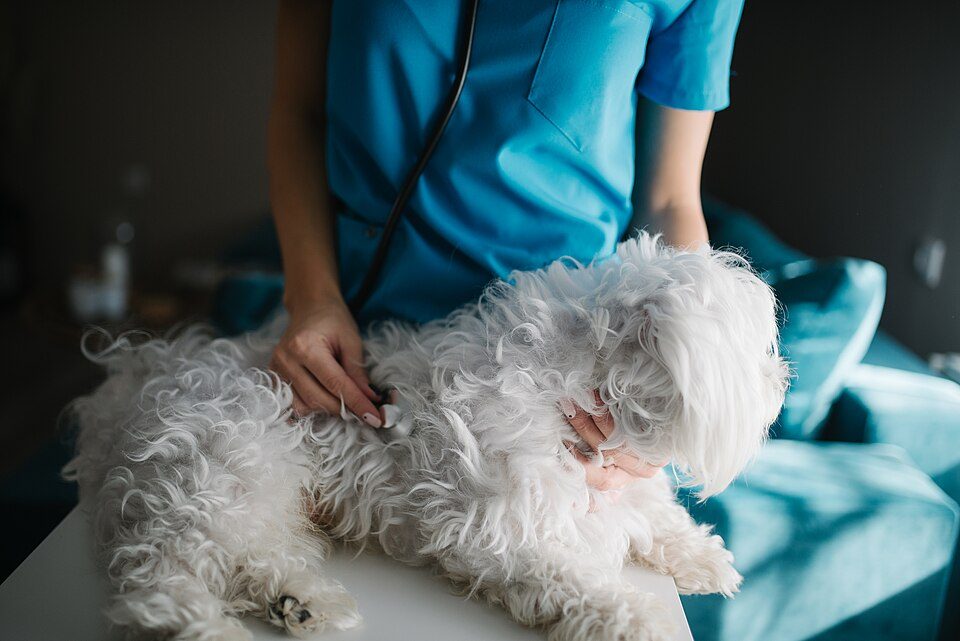
The exam is recorded within 12 to 24 hours of anesthesia and repeated just before anesthesia if the patient's condition changes.1 Auscultation for arrhythmias, murmurs and abnormal lung sounds gives useful information about heart and lung disease.7 An accurate body weight is needed for every drug dose.6
Age, breed, size and temperament
Age is not a disease, but very young and very old patients respond to drugs differently. They may not mount a strong response to low blood pressure or low body temperature. Neonates and pediatric patients are prone to low blood glucose.1
AAHA notes these breed and size points:1
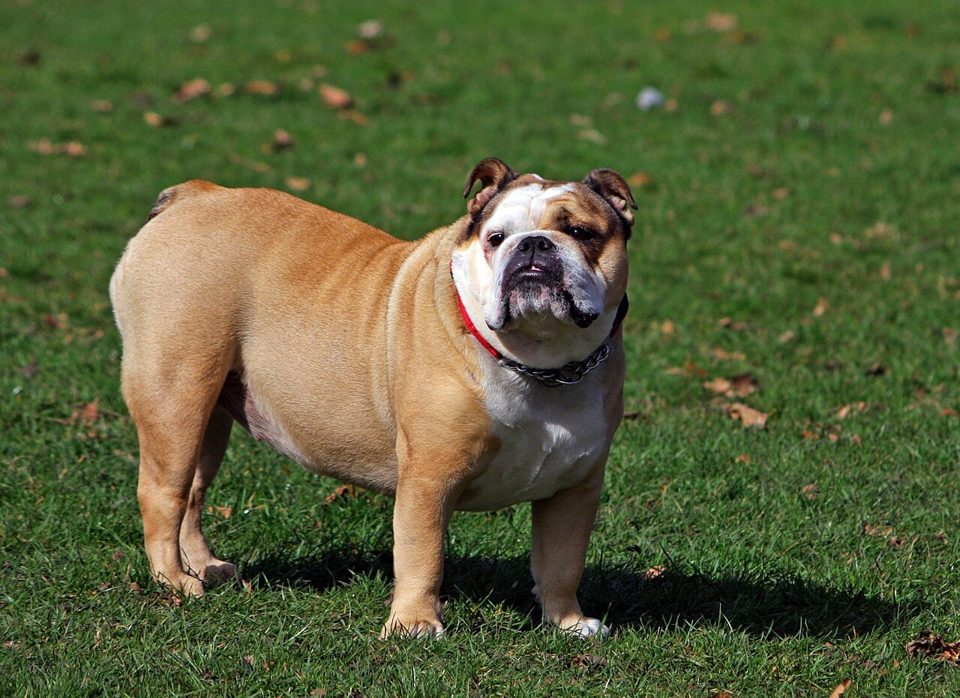
- Brachycephalic (short-nosed) dogs and cats are more prone to upper airway obstruction and have higher rates of airway complications.
- Greyhounds may recover slowly after some anesthetics, such as barbiturates.
- Breeds with the ABCB1 (formerly MDR1) gene mutation should receive reduced doses of acepromazine and possibly butorphanol.
- Toy-breed dogs and all cats are at higher risk because they lose heat quickly, can be hard to intubate and monitor, and are easy to overdose or overload with fluids.
- Giant breeds are more often overdosed when drugs are dosed by milligram per kilogram rather than by body surface area.
Fearful or aggressive patients may limit the exam, and anxious patients often need high sedative doses that depress breathing and circulation. For elective cases, AAHA suggests rescheduling with an anxiety plan, which may include medication given at home before the visit.1
Laboratory work
AAHA describes a minimum database as a complete blood count, chemistry panel and urinalysis, with blood pressure, ECG or imaging added when the patient needs them. Blood pressure should be measured routinely in patients with kidney, heart or endocrine disease.1 A shorter in-house screen of PCV, total protein, BUN and glucose is also used.7 No evidence sets a minimum time between lab work and anesthesia. AAHA calls 3 to 6 months or less reasonable if the results were normal and the patient is healthy. If either is abnormal, repeat the tests just before anesthesia.1
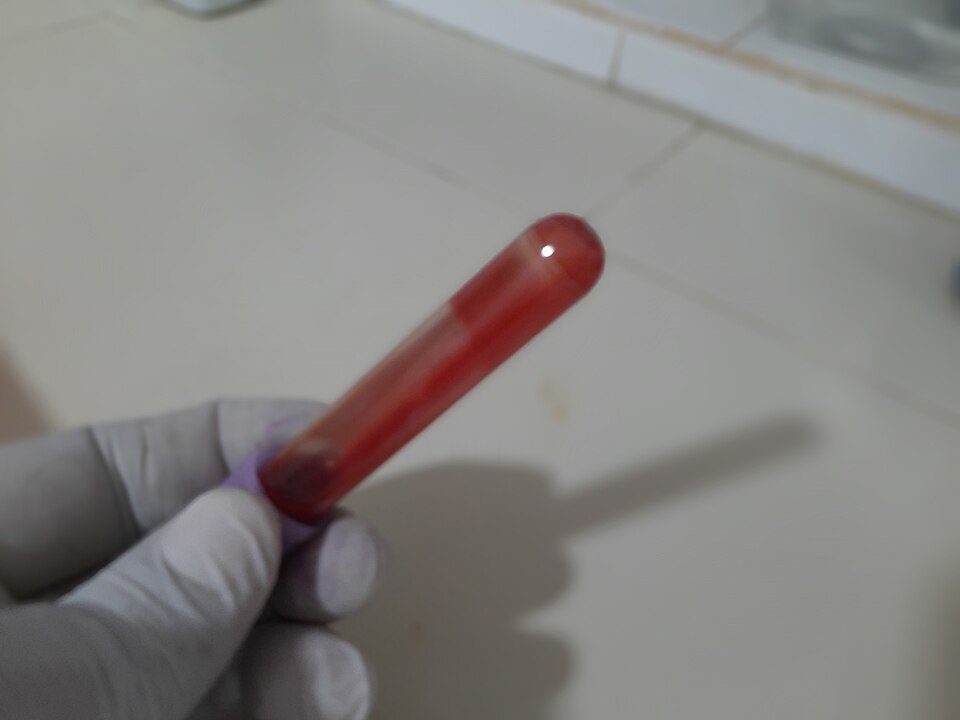
AAHA lists conditions that should be corrected before anesthesia where possible, including blood glucose below 60 mg/dL, body temperature below 99 F, anemia, dehydration, life-threatening arrhythmias, potassium above 6.0 mEq/L, pH below 7.2, cyanosis, congestive heart failure, oliguria or anuria, and pneumothorax.1 Your job is to measure, record and report these values; the veterinarian decides whether to delay.
ASA physical status
The American Society of Anesthesiologists (ASA) physical status scale sorts patients by preanesthetic health. It is a measure of health, not a direct measure of anesthetic risk, and it is subjective.3 Even so, higher classes go with higher risk: in cats, an ASA status of 3 or higher significantly increased the risk of complications.3 When the scale was revised in 1961, the old separate emergency classes were replaced by an "E" that can be added to any class.4 A dog in class 3 having emergency surgery is written "ASA 3E".
| Class | Description | Example |
|---|---|---|
| ASA 1 | Normal patient with no organic disease | Healthy patient for elective spay or neuter |
| ASA 2 | Mild systemic disease | Skin tumor, or fracture without shock |
| ASA 3 | Severe systemic disease that limits activity but does not incapacitate | Well-controlled diabetes mellitus |
| ASA 4 | Incapacitating systemic disease that is a constant threat to life | Perforated small intestine with severe hypovolemia |
| ASA 5 | Moribund patient not expected to live 24 hours without surgery | Severe trauma and shock |
| Add "E" | Emergency procedure, added to any class | ASA 4E: emergency surgery for the perforated intestine above |
Source: AAFP Feline Anesthesia Guidelines, Table 6 (classes 1 to 5 and examples);3 Portier and Ida 2018 (the E modifier).4
Fasting
Fasting aims to reduce stomach contents and prevent gastroesophageal reflux (stomach contents flowing back into the esophagus), regurgitation and aspiration. The old "nothing after midnight" or 6 to 12 hour food fast is not evidence based.3 AAHA notes that recommended fasts for healthy adults have become shorter, partly because shorter fasts were linked to less reflux.1 The evidence is mixed. In one trial of 90 dogs, a meal 3 hours before anesthesia did not reduce reflux compared with a meal 12 hours before.5 A long fast also does not guarantee an empty stomach, so the anesthetist must always be ready for vomiting.3
| Patient | Water | Food | Other points |
|---|---|---|---|
| Healthy adult | Free access | Withhold 4 to 6 hr | Give chronic oral medications |
| Under 8 weeks or under 2 kg | Free access | No longer than 1 to 2 hr; wet food in the preoperative period | Check blood glucose before, during and after induction; first case of the day |
| Diabetic | Free access | Half a meal 2 to 4 hr before | Half the insulin dose 2 to 4 hr before; check glucose; first case of the day |
| History of, or at risk of, regurgitation | Withhold 6 to 12 hr | Withhold 6 to 12 hr; consider 10% to 25% of a normal meal 4 to 6 hr before induction | Anti-emetic |
| Emergency | Not applicable | Proceed as soon as possible | Stabilize before induction; anti-emetic |
Source: AAHA, Fasting and Treatment Recommendations for Dogs and Cats Prior to Anesthesia (2020).2
For cats, the AAFP adds that a small wet meal 3 to 4 hours before anesthesia may be used at the clinician's discretion, and water should stay available until premedication.3
Medications on the day of anesthesia
Most current medications are continued, with exceptions.1
- Continue: thyroid drugs (supplement or methimazole), behavioral and pain medications, oral anxiolytics, cardiac drugs such as pimobendan and furosemide, antibiotics, and steroids (never stop suddenly).
- Stop on the day: antihypertensives, especially ACE inhibitors such as enalapril and benazepril. Anticoagulants may need to stop 2 weeks before, depending on bleeding risk.
- Adjust: insulin. A full dose should not be given to a fasted patient because of the risk of low blood glucose.
Oral medications may be given with 1 to 2 tablespoons of wet food or in an edible paste.2 Maropitant may be given before travel to pets with motion sickness, and gabapentin and trazodone are commonly sent home to reduce fear before the visit.1
Procedure or technique
A typical preanesthetic workflow, with the technician's tasks:
- Before the day: book the case for a time with enough staff. Risk is higher late in the day or after hours, so critical patients go early.1 Give the owner written fasting and medication instructions.
- Admission: confirm the patient's identity and procedure, and ask when the pet last ate, whether water was offered, and which medications were given that morning.
- History: record medications, supplements, earlier anesthetic problems and current signs.
- Exam and weight: record temperature, pulse, respiration, mucous membranes, capillary refill time, hydration, body condition and an accurate weight. Report any new murmur, arrhythmia or abnormal lung sound.
- Blood and other tests: collect and run the tests the veterinarian orders, and flag abnormal values.
- ASA status: suggest a class from your findings; the veterinarian assigns it.
- Plan: the veterinarian writes the anesthetic plan, covering all phases with analgesia throughout. Calculate and double-check every drug dose, including emergency drugs.1
- Consent: the client hears a full description of the procedure and its risks, then signs written consent.1
- Equipment: check the anesthetic machine, circuit, monitors and airway supplies using a checklist.1
- Checklist pause: run the team checklist before induction (Figure 5).
Flowchart
A written checklist helps a practice avoid critical oversights in the peri- and intraoperative periods, and AAHA suggests keeping one for every sedation or anesthetic procedure as part of the medical record.1 Human surgical teams use the WHO Surgical Safety Checklist, said aloud at three points: sign-in, time-out and sign-out.9 Figure 5 shows one way a veterinary team can adapt those pauses.
Species differences
| Species | Food | Water | Reason or note |
|---|---|---|---|
| Healthy adult dog or cat | Withhold 4 to 6 hr (AAHA); cats may have a small wet meal 3 to 4 hr before (AAFP) | Available; AAFP says until premedication | Shorter fasts for very young, small and diabetic patients |
| Rabbit | Not fasted | Available | Rabbits cannot vomit; clean the mouth before intubation; prone to ileus |
| Bird | Not fasted | Available | High metabolic rate; food may be held in the crop |
| Sheep and goats | 12 to 24 hr | Not withheld | Reduces bloat and particles in regurgitated fluid |
| Adult cattle | Up to 48 hr | Not withheld | Fasting reduces bloat but cannot empty the rumen |
| Calves and lambs | Not usually fasted | Available | Risk of low blood glucose |
| Horse | No grain for 24 hr; no hay for 12 hr | Allowed | Foals usually nurse until about 1 hr before |
Sources: AAHA fasting table;2 AAFP Feline Anesthesia Guidelines;3 UW-Madison RARC species guidelines (rabbit, bird, ruminant);6 Lee, Equine Anesthesia (horse).8
Cats hide signs of disease, so preanesthetic screening matters even more. Stress can raise a cat's blood glucose, heart rate and blood pressure, which makes results hard to read. Dexmedetomidine given for restraint also raises blood pressure and blood glucose and slows the heart, so note any sedation on the lab request.3 In one study, cats over 12 years old had higher risk regardless of ASA status.3
Horses carry a much higher anesthetic risk, which Lee puts at about 1 in 100, compared with about 1 in 1,000 for small animals.8
Calculation
Worked example: timing a diabetic dog's meal and insulin. A diabetic dog normally eats 2 cups of food and gets 10 units of insulin each morning. Induction is planned for 10:00. Using the AAHA table (half a meal and half the insulin dose 2 to 4 hours before),2 what does the owner give, and when?
Meal: 2 cups x 0.5 = 1 cup.
Insulin: 10 units x 0.5 = 5 units.
Time window: 10:00 minus 4 hr = 06:00; 10:00 minus 2 hr = 08:00. The owner feeds 1 cup and gives 5 units between 06:00 and 08:00, and the dog is booked as the first case.
The veterinarian sets the actual insulin dose for each patient; this example only shows the arithmetic.
Safety, legal and client education
- Consent: AAHA calls for a full description of the procedure and potential risks before written consent.1 The technician can explain and answer questions; the signed form goes in the record.
- Risk numbers for owners: in healthy dogs and cats, AAHA cites an anesthetic death risk of about 0.05% (1 in 1,849) in dogs and 0.11% (1 in 895) in cats, most often in the first 3 hours after surgery.1 This is why recovery monitoring is part of the plan.
- Fasting instructions: give them in writing. Tell owners to leave water down for healthy dogs and cats, and to call if the pet eats by accident rather than hiding it.
- Home medications: make clear which drugs to give and which to skip. Steroids should never be stopped suddenly; ACE inhibitors are usually held that morning.1
- Pain and comfort: owners worry most about pain. Reassure them that analgesia is part of every phase of the plan.1
Common mistakes and exam traps
- Choosing a 12-hour fast with water withheld for a healthy dog. That is older teaching; current AAHA advice is 4 to 6 hours of food withheld with water available.2
- Fasting a puppy, kitten, rabbit or bird like an adult dog. Young patients risk low blood glucose; rabbits and birds are not fasted.26
- Telling a diabetic owner to give the full insulin dose with no food.1
- Treating "E" as a sixth class. It is a modifier added to classes 1 to 5.4
- Mixing up ASA 3 and ASA 4. Class 3 limits activity but does not incapacitate; class 4 is a constant threat to life.3
- Assuming old normal bloodwork is always good enough. It is reasonable only if it was normal, recent (about 3 to 6 months) and the patient is still healthy.1
Memory aids
1 Fine, 2 Mild, 3 Limits, 4 Life threat, 5 Dying (memory aid): the five ASA classes from the AAFP table, from healthy to moribund.
E is an Extra, not a class (memory aid): the "E" for emergency is added to any ASA class, for example ASA 3E.
Water yes, food 4 to 6 (memory aid): the AAHA fasting rule for a healthy adult dog or cat.
Half and half, 2 to 4 (memory aid): a diabetic gets half a meal and half the insulin 2 to 4 hours before, and goes first.
Rabbits and birds skip the fast (memory aid): rabbits cannot vomit and birds have a high metabolic rate.
Quick review
- Anesthesia is a continuum that starts at home with fasting and medications.
- Record the physical exam within 12 to 24 hours of anesthesia, and repeat it if the patient changes.
- Ask about every drug and supplement, earlier anesthetics and how recoveries went at home.
- AAHA minimum database: CBC, chemistry panel and urinalysis, plus BP, ECG or imaging as needed.
- Normal lab results within about 3 to 6 months are reasonable for a healthy patient; repeat if anything is abnormal.
- ASA 1 healthy, 2 mild, 3 severe but not incapacitating, 4 constant threat to life, 5 moribund; add E for emergency.
- Higher ASA status goes with higher odds of anesthetic death.
- Healthy dogs and cats: water available, food withheld 4 to 6 hours.
- Under 8 weeks or 2 kg: fast no longer than 1 to 2 hours and check glucose.
- Diabetics: half meal and half insulin 2 to 4 hours before; first case of the day.
- Do not fast rabbits or birds; fast small ruminants 12 to 24 hours and adult cattle up to 48 hours, with water.
- Stop ACE inhibitors on the day; never stop steroids suddenly; obtain written consent after explaining risks.