Introduction
Premedication means the drugs given before anesthetic induction. A good premedication calms the patient, makes induction smoother and lowers the dose of induction and maintenance drugs.1 The technician draws up these drugs on the veterinarian's order, gives them, watches the patient while they take effect and knows which ones can be reversed. This guide covers acepromazine, the alpha-2 agonists and atipamezole, the benzodiazepines and flumazenil, opioids used in premedication, and the anticholinergics atropine and glycopyrrolate, with species notes for dogs, cats and horses.
Key facts
- Acepromazine is a phenothiazine tranquilizer. It blocks alpha-1 receptors in vessel walls, so it causes vasodilation and can cause hypotension.2 It has no analgesic properties.12
- Acepromazine needs at least 20 minutes for good effect even after IV injection, and 30 to 45 minutes after IM injection.1 No reversal agent is listed for it.
- Dexmedetomidine is an alpha-2 agonist. Its label limits use to healthy dogs and cats (ASA I and II) and warns that it should not be given with pre-existing hypotension, hypoxia or bradycardia.3
- Atipamezole (Antisedan) reverses dexmedetomidine and medetomidine. It is given IM in dogs regardless of the route used for the sedative, and it does not reverse other drug classes.4
- Benzodiazepines (midazolam, diazepam) give excellent muscle relaxation with minimal cardiopulmonary depression, but can cause paradoxical excitement when given alone.1 Flumazenil reverses them.7
- Naloxone reverses opioids such as fentanyl, methadone and hydromorphone.7
- Anticholinergics are not routine premedication drugs. They are used for high vagal tone or procedures likely to increase it, such as eye surgery.1 Glycopyrrolate does not cross the blood-brain barrier; atropine does.8
How the VTNE tests this
- Recognize the drug class, effects and side effects of a premedication drug (Domain 7 Task B; K43, K8).11
- Match a sedative to its reversal agent and know which drugs have none (Domain 7 Task F; K43).
- Choose which premedication drug is a poor fit for a described patient, such as a dehydrated dog or a cat with respiratory disease (Domain 7 Task B; K41, K43).
- Calculate a premedication volume from a dose in mg/kg or mcg/kg (Domain 1 Task C; K7).
- Explain human exposure risks and expected side effects to the team and client (Domain 10 Task A; K11).
Core concepts
Why premedicate
AAHA lists stress reduction and lower anesthetic requirements as the goals of premedication, and notes that premedication usually lowers the induction drug dose.9 Combining a sedative with an opioid (neuroleptanalgesia) gives better restraint and analgesia than either drug alone; the effect is synergistic, not merely additive.1 AAHA also notes that premedications can be given IM or SC, and that anxious or fractious patients often need higher doses than calm ones to allow IV catheter placement.9
Acepromazine (phenothiazine tranquilizer)
Acepromazine works by blocking central dopamine receptors. It also blocks alpha-1 receptors in vascular smooth muscle, which causes vasodilation.2 In small animals sedation can start within 10 minutes and last 4 to 6 hours.2 Lee's lecture notes describe mild sedation at clinical doses, an anti-arrhythmic effect and hypotension that is worse in old, debilitated or hypovolemic animals.1 The AAFP feline guidelines say acepromazine should not be used with pre-existing hypotension, hypovolemia or dehydration, and that its effect in cats is inconsistent.5 Merck warns that it can produce excessive vagal tone, so caution is advised in brachycephalic breeds, and that dogs may show paradoxical excitement or aggression.2
Seizures, an older teaching. Older texts said acepromazine lowers the seizure threshold, and some lecture notes still say so.1 Merck now states that a retrospective study of seizure-prone dogs given acepromazine as an anesthetic adjunct found no increased seizure risk.2 Follow the veterinarian's protocol, and expect newer exam items to reflect the Merck position.
Alpha-2 agonists: dexmedetomidine, medetomidine, xylazine
Alpha-2 agonists give reliable, dose-dependent sedation and analgesia.5 They are also strongly anesthetic sparing. On the Dexdomitor label, dexmedetomidine IM premedication cut injectable induction drug needs in dogs by 30% to 60% and inhalant needs by 40% to 60%.3 The technician must therefore expect a premedicated patient to need much less induction drug, given to effect.
The side effects are the things you will measure:
- Bradycardia. On the label, bradycardia appeared within 5 to 15 minutes after IV and within 15 to 30 minutes after IM dexmedetomidine in dogs.3 Medetomidine also causes dose-dependent arterial hypertension.1
- Vomiting. Common in cats whether fed or fasted, so the label recommends fasting.3 Xylazine causes more vomiting than medetomidine.1
- Hypothermia. It may last longer than the sedation, so keep the patient warm until full recovery.3
- Other effects. Higher blood glucose, more urine production and muscle twitching in some dogs.3
- A ceiling on depth. A higher dose does not deepen sedation; it prolongs it.1 Nervous or excited animals may respond poorly.3
Reversal. Atipamezole is the labeled reversal for dexmedetomidine and medetomidine in dogs. Arousal usually starts within 5 to 10 minutes of the IM injection.4 Lee notes that medetomidine sedation in cats can be antagonized by an equal volume of atipamezole.1 Reversal removes the analgesia as well as the sedation, so plan pain control first.6
Benzodiazepines: midazolam and diazepam
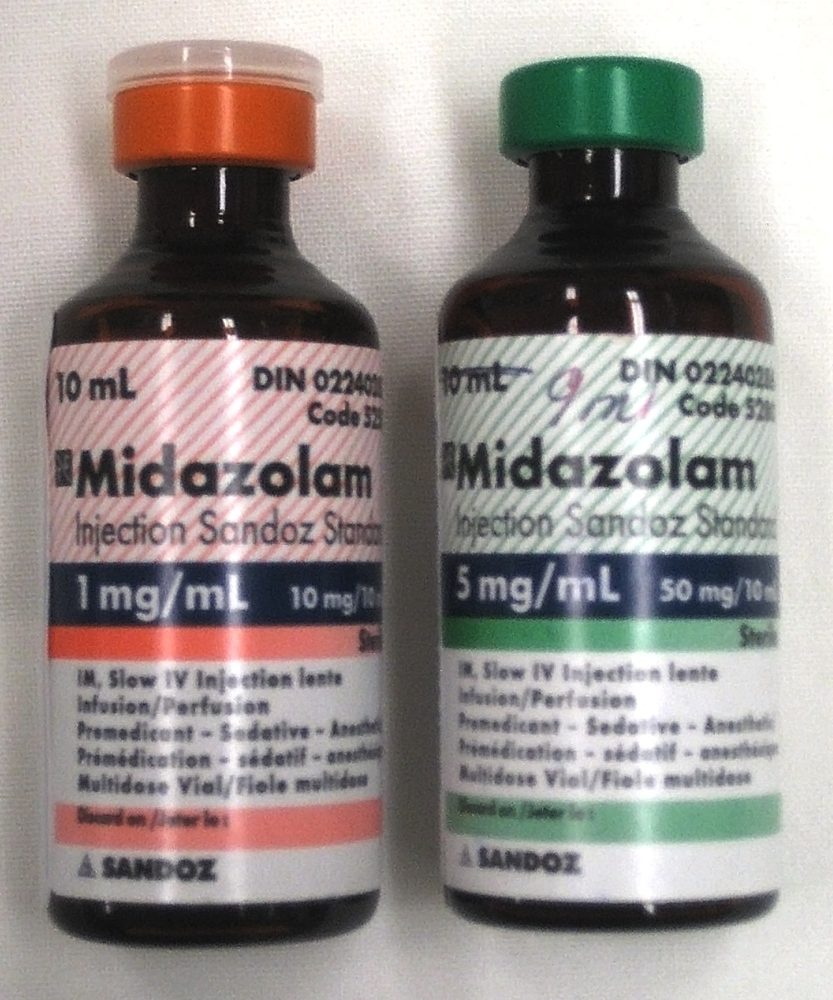
Benzodiazepines are minor tranquilizers with excellent muscle relaxation and minimal heart and lung depression, which makes them useful for sick or older patients.1 Given alone they may cause paradoxical excitement, so Lee pairs them with other central nervous system depressants such as ketamine or an opioid.1 In young or adult healthy cats, AAFP finds them unreliable even with an opioid, with excitation and dysphoria.5 In geriatric or very sick cats they may produce more reliable sedation.5 Diazepam irritates tissue, so it is better not given IM.1 Flumazenil reverses benzodiazepines.7
Opioids in premedication
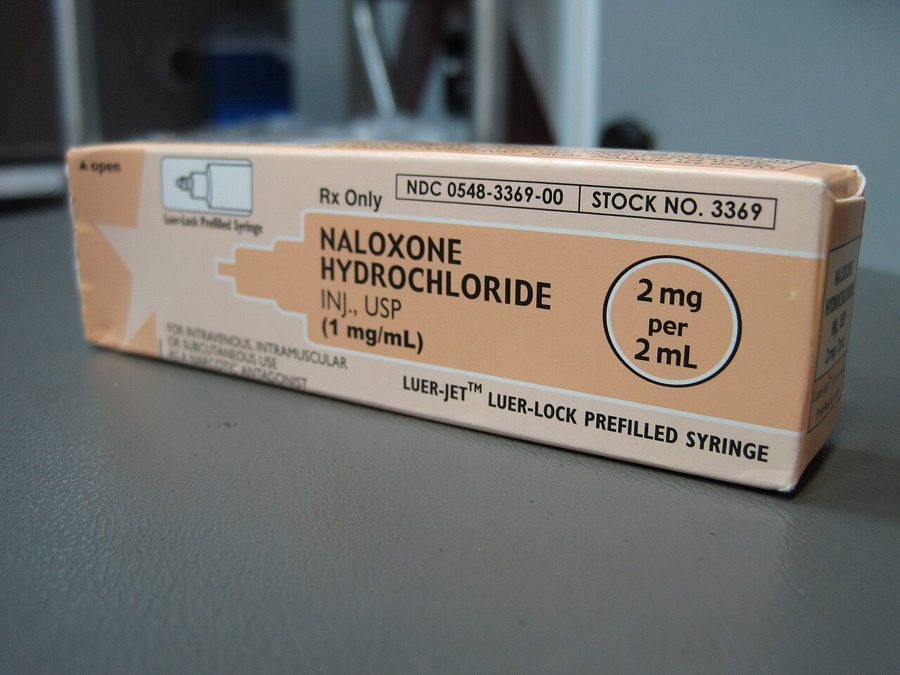
Opioids are the analgesic part of most premedication plans. Merck groups them as full mu agonists (morphine, hydromorphone, fentanyl), partial mu agonists (buprenorphine) and agonist-antagonists (butorphanol).6 They cause minimal cardiovascular depression.1 At premedication doses the heart rate may fall slightly.5 Merck notes that hydromorphone causes vomiting in cats at 0.1 mg/kg SC.6 Lee notes that IV morphine causes histamine release, particularly as a rapid bolus.1 Buprenorphine and butorphanol may antagonize other mu agonists.5 Naloxone reverses opioids.7 Its label warns that excessive doses after surgery can significantly reverse analgesia and cause agitation.13 Opioids are controlled substances: Merck lists morphine, hydromorphone, methadone and fentanyl as DEA Schedule II, buprenorphine as Schedule III and butorphanol as Schedule IV.6
Anticholinergics: atropine and glycopyrrolate
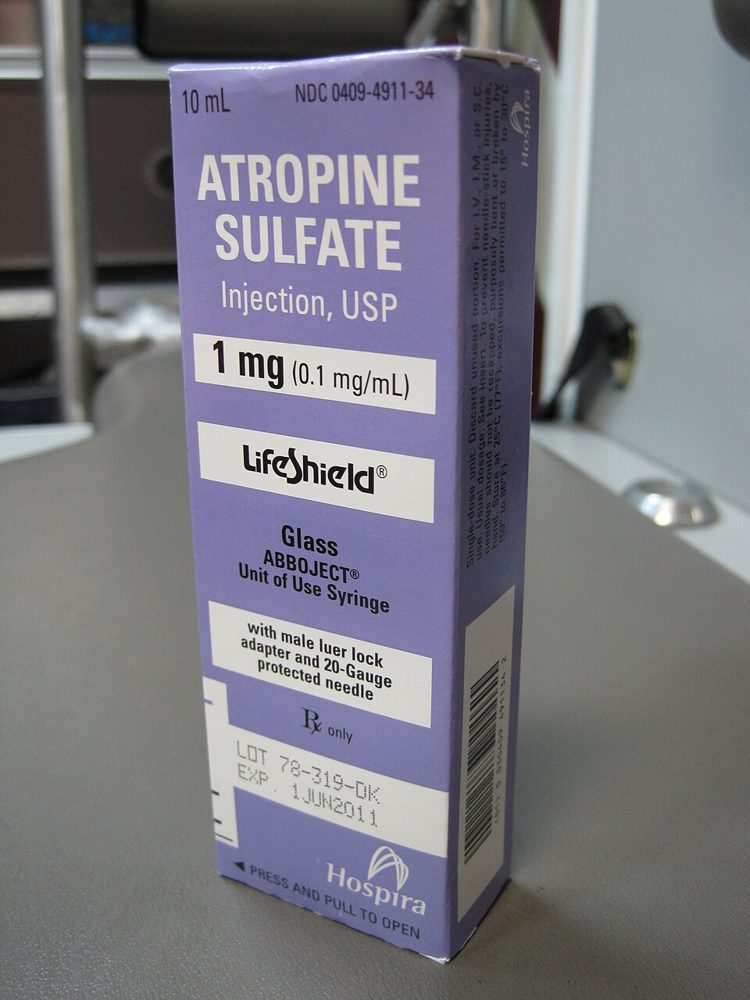
Anticholinergics block vagal (parasympathetic) effects, which raises heart rate and reduces secretions. Lee states they are not given routinely, but may be indicated for patients with high resting vagal tone, such as brachycephalic breeds, and for procedures likely to cause vagal stimulation, such as ocular surgery.1 In cats they are used to reduce heavy salivation, particularly with ketamine.1
Glycopyrrolate does not cross the blood-brain barrier, has a slower onset than atropine and a longer duration.8 Lee adds that it is preferred for cesarean section and head trauma patients and is less likely to cause tachycardia.1 Atropine causes visual disturbance in cats, so handle them carefully afterward.1 AAFP advises against giving anticholinergics with alpha-2 agonists in cats because significant hypertension may follow.5
| Drug | Class | Main effects | Reversal | Caution |
|---|---|---|---|---|
| Acepromazine | Phenothiazine tranquilizer | Mild, long sedation; vasodilation; no analgesia | None | Hypotension, hypovolemia, dehydration; Boxers; brachycephalics |
| Dexmedetomidine, medetomidine | Alpha-2 agonist | Reliable sedation, analgesia; large anesthetic sparing | Atipamezole | Bradycardia, vomiting (cats), hypothermia; healthy ASA I and II patients only |
| Xylazine | Alpha-2 agonist | Potent sedation | Alpha-2 antagonist | Profound cardiovascular depression; vomiting; ruminants need lower doses |
| Midazolam, diazepam | Benzodiazepine | Muscle relaxation; little cardiopulmonary effect | Flumazenil | Excitement if given alone to healthy patients; diazepam not IM |
| Hydromorphone, morphine, methadone | Full mu opioid | Strong analgesia; sedation with other drugs | Naloxone | Vomiting; histamine with rapid IV morphine; Schedule II |
| Butorphanol, buprenorphine | Agonist-antagonist, partial mu agonist | Sedation, milder analgesia | Naloxone | May antagonize full mu agonists |
| Atropine, glycopyrrolate | Anticholinergic | Raise heart rate, dry secretions | Not applicable | Not routine; avoid with alpha-2 agonists in cats; slow gut motility in horses |
Sources: Lee, Canine and Feline Anesthesia; Merck Veterinary Manual; Dexdomitor and Antisedan labels; AAFP Feline Anesthesia Guidelines 2018.1234567
Procedure: giving premedication and watching the patient
- Confirm the patient, weight, drug order and ASA status with the veterinarian. Check the record for heart disease, hypotension or dehydration, which change the drug choice.35
- Calculate each volume, then have a second person check controlled drug doses. Log controlled drugs in the controlled substance record.
- Wear gloves when drawing up dexmedetomidine. It can be absorbed through skin, eyes or mouth; wash skin with soap and water, and flush eyes with water for 15 minutes.3
- Give the drugs by the ordered route (IM or SC in most hospitals).9 Record the drug, dose, route and time.
- Place the patient in a quiet cage where it can be watched. Sudden noise or handling can trigger a defense reaction even in a patient that looks heavily sedated.3
- Monitor heart rate, breathing, mucous membrane color and temperature while the drugs take effect. Alpha-2 agonists need frequent cardiovascular and temperature checks.3 Report a very slow heart rate, apnea or blue mucous membranes at once.
- Allow time: acepromazine needs 20 minutes or more before induction.1 Tell the veterinarian how sedated the patient is, because sedation level changes the induction dose.9
- In recovery, if a reversal is ordered, keep watching afterward. Lee warns that the animal may relapse into sedation, with a risk of aspiration or airway obstruction.1
| Sedative or analgesic | Reversal agent | Notes |
|---|---|---|
| Dexmedetomidine, medetomidine | Atipamezole | IM in dogs on the label; arousal in 5 to 10 minutes; reverses only alpha-2 agonists |
| Opioids (fentanyl, methadone, hydromorphone) | Naloxone | Large doses can reverse the analgesia as well |
| Benzodiazepines (midazolam, diazepam) | Flumazenil | Merck CPR table lists 0.01 mg/kg IV |
| Acepromazine | None | Supportive care: warmth, monitoring, blood pressure support as ordered |
Sources: Antisedan label; Merck Veterinary Manual, Cardiopulmonary Resuscitation of Small Animals; naloxone label.4713
Flowchart: slow recovery after premedication
Use this tree to match a slow recovery to the reversal agent the veterinarian may order. The technician supports and reports; the veterinarian decides whether to reverse.
Species differences
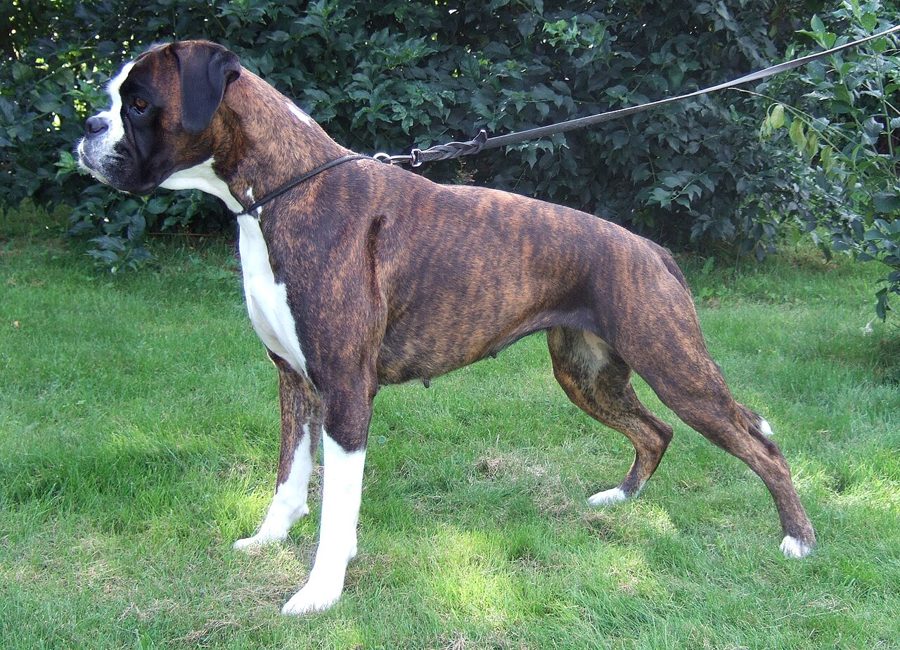
- Dogs. Some Boxers are very sensitive to acepromazine: as little as 0.02 mg/kg IM can cause collapse with bradycardia and hypotension. Lee recommends a low dose and an anticholinergic with acepromazine in this breed.1 Brachycephalic dogs have high vagal tone.12
- Cats. Benzodiazepines alone give no obvious sedation.1 Dexmedetomidine is not recommended for cats with respiratory disease, and vomiting is common.3 Cats metabolize morphine less well than dogs, so doses are lower.1 AAFP recommends gabapentin before the visit for many cats to reduce fear.5
- Horses. Xylazine IV takes effect in about 2 minutes, the head drops almost to the ground and the horse stays standing but ataxic. It can still kick accurately when the hind limbs are touched.10 Butorphanol is not used alone because of excitement.10 Acepromazine can cause persistent penile prolapse in males.2 Anticholinergics depress gut motility and raise colic risk, so they are given only for bradycardia or vagal reflexes.10
- Ruminants. Ruminants need lower alpha-2 agonist doses, and arterial hypoxemia and pulmonary edema have been described in sheep.6
Calculation
Worked example. The veterinarian orders dexmedetomidine 40 mcg/kg IM for a 4 kg cat (the label sedation and preanesthesia dose for cats).3 The vial is 0.5 mg/mL.
Step 1, dose: 4 kg x 40 mcg/kg = 160 mcg (kg cancels).
Step 2, convert the concentration: 0.5 mg/mL x 1,000 mcg/mg = 500 mcg/mL.
Step 3, volume: 160 mcg / 500 mcg/mL = 0.32 mL (mcg cancels).
Check: the units left are mL, and the volume is small, which fits a concentrated sedative. Use a 1 mL syringe.
Safety, legal and client education
- Dexmedetomidine exposure can cause sedation, hypotension and bradycardia in people. Staff with cardiovascular disease, such as high blood pressure or ischemic heart disease, should take special precautions to avoid any exposure.3
- Opioids are DEA scheduled drugs, so every dose needs a controlled substance log entry.6
- In the US there are no established withdrawal times for acepromazine, and its use in food-producing animals is extralabel.2
- Tell owners that alpha-2 sedation and some opioids can cause vomiting, and that the pet may be sleepy and cold for some hours. Hypothermia after dexmedetomidine can outlast sedation.3
Common mistakes and exam traps
- Counting acepromazine as pain relief. It has no analgesic properties and is paired with an opioid.12
- Expecting atipamezole to reverse every sedative. It reverses only alpha-2 agonists.4
- Giving more alpha-2 agonist to deepen sedation. A larger dose prolongs sedation rather than deepening it.1
- Treating alpha-2 bradycardia in a cat by adding an anticholinergic. AAFP warns of significant hypertension with that pairing.5
- Choosing atropine when the question needs a drug that stays out of the brain (cesarean, head trauma). Glycopyrrolate does not cross the blood-brain barrier.8
- Leaving the patient alone after reversal. Sedation can return.1
Memory aids
A for A: Atipamezole reverses Alpha-2 agonists, and only them (memory aid).4
N for Narcotics: Naloxone reverses opioids (memory aid).7
F for "Fix the benzo": Flumazenil reverses midazolam and diazepam (memory aid).7
ACE lowers pressure: Acepromazine, alpha-1 block, vasodilation, so avoid it in hypotensive, hypovolemic or dehydrated patients (memory aid).25
GLYcopyrrolate stays outside the brain: glycopyrrolate does not cross the blood-brain barrier, so it is the anticholinergic preferred for cesarean and head trauma patients (memory aid).18
Quick review
- Premedication calms the patient and lowers induction and maintenance doses.
- Sedative plus opioid is synergistic.
- Acepromazine: phenothiazine, alpha-1 block, hypotension, no analgesia, no reversal.
- Acepromazine needs 20 minutes or more, even IV.
- Some Boxers collapse after low-dose acepromazine.
- Alpha-2 agonists: reliable sedation, bradycardia, vomiting in cats, hypothermia.
- Dexmedetomidine is for healthy ASA I and II dogs and cats only.
- Atipamezole reverses dexmedetomidine and medetomidine; IM in dogs.
- Benzodiazepines relax muscle with little heart and lung depression; flumazenil reverses them.
- Naloxone reverses opioids; too much also reverses analgesia.
- Anticholinergics are not routine; glycopyrrolate stays out of the brain.
- Horses: anticholinergics slow the gut; xylazine-sedated horses can still kick.