Introduction
Most anesthesia teaching assumes a healthy young adult dog. Many of your patients are not that dog. A Bulldog with a crowded airway, a 9-week-old kitten, a 15-year-old cat with kidney disease, a bitch in dystocia, a diabetic, a Greyhound, a Collie and an overweight Labrador all need small but important changes to the plan. The 2020 AAHA guidelines say the preanesthetic evaluation exists to find individual risk factors and adjust the plan to them.1 The veterinarian makes the plan. The technician gathers the history, spots the risk, sets up the right equipment, monitors closely and often runs the recovery. This guide works through each special patient group: the key risk, what changes and what you do.
Key facts
- Brachycephalic dogs and cats are more prone to upper airway obstruction and have higher airway-related complication rates than other breeds.1
- Brachycephalic dogs with BOAS are twice as likely to have anesthetic complications; most happen after surgery, mainly dyspnea, regurgitation and aspiration pneumonia.3
- Three minutes of 100% oxygen before induction stretches the time to desaturation from about 1 minute to about 5 minutes.3
- Neonates and pediatric patients are prone to hypoglycemia and hypothermia; both age groups may be unable to mount a strong response to hypotension or hypothermia, and geriatrics may have impaired cognitive function.1
- Do not give a fasted diabetic its full insulin dose. In cats, AAFP bases the dose on blood glucose: none below 145 mg/dL, half at 145 to 270 mg/dL, full above 270 mg/dL.12
- Dogs with the MDR1 (ABCB1) mutation should receive reduced doses of acepromazine and possibly butorphanol.1
- Greyhounds may recover slowly from barbiturates and some other injectables.19
- Dose obese patients on lean or ideal body weight.23
How the VTNE tests this
The VTNE Anesthesia domain has 20 of the 150 scored items. Task B asks you to assist in developing and implementing an anesthetic plan that keeps the patient safe, and knowledge statement 41 covers pre- and post-anesthetic assessment and care.11 Expect scenario questions that name a breed, an age or a disease and ask which step matters most: preoxygenating a Bulldog, keeping the tube in until the dog swallows, checking glucose in a kitten, halving insulin, reducing acepromazine in a Collie, avoiding barbiturates in a Greyhound or dosing a fat cat on lean weight.
Core concepts
Why some patients carry more risk
AAHA groups risk factors into age, breed and size, temperament and disease.1 Very young and very old patients respond differently to drugs because their heart, lungs, kidneys, liver and nervous system are immature or aging. Very small dogs and all cats get cold quickly, are harder to intubate and monitor, and are easily overdosed or given too much fluid. AAHA suggests syringe pumps or buretrols for precise fluid delivery in these patients. Giant breeds are more often overdosed when drugs are dosed per kilogram.1
The ASA physical status (a 1 to 5 score of how sick the patient is) helps here too. In one feline study, ASA status predicted complications better than age, and cats of ASA 3 or higher had significantly more complications.2
Brachycephalic patients
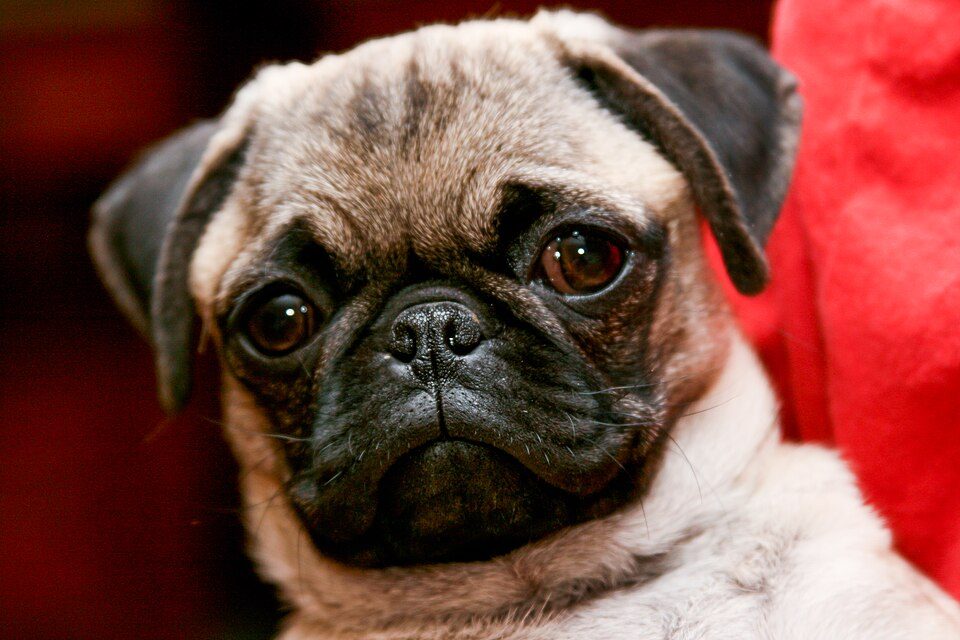
Brachycephalic means short-headed. Brachycephalic obstructive airway syndrome (BOAS) comes from a shortened skull without a matching reduction in soft tissue. Primary changes include stenotic (narrowed) nares, a long or thick soft palate, a large tongue and abnormal nasal turbinates. Years of hard breathing then cause secondary changes such as everted laryngeal saccules and laryngeal collapse.4 These dogs also have higher vagal tone, so handling the airway at intubation or extubation can cause sudden, marked bradycardia. Esophagitis, reflux, gastritis and hiatal hernia are common, and a history of GI signs is strongly linked to aspiration pneumonia.3
Pediatric and neonatal patients
The neonatal period in dogs and cats is the first 21 days of life.7 Neonates have lower protein binding, a leakier blood-brain barrier, more body water and less fat, so drugs distribute differently. Their liver and kidneys clear drugs more slowly. Inhalants have a faster onset and recovery, and less drug is needed for anesthesia or a local block.7 Fluid overload is easy, so use small-bore lines and keep air out of them, because a hole between the atria may still be open and IV air could reach the coronary or brain vessels.7 Neonates lack glucose reserves and many anesthetic drugs remove their already weak ability to thermoregulate.7 AAHA recommends a shorter fast for neonatal and diabetic patients and frequent blood glucose checks in small or neonatal patients, because hypoglycemia can prolong recovery.1
Geriatric patients
Age is not a disease, but disease is more common in old patients.1 AAHA notes that screening of geriatric dogs finds a fairly high rate of problems that can cancel or change the anesthetic plan. In cats, age over 12 years was a risk factor independent of ASA status in one study. Most cats with degenerative joint disease are 12 years or older, so pad and position joints gently.12 AAFP recommends a chemistry screen and complete blood count for all mature (7 to 10 years) and senior (over 10 years) cats.2 In geriatric or very sick patients, benzodiazepines may produce more reliable sedation than in young healthy cats.2
Cesarean section
Drugs that cross the blood-brain barrier also cross the placenta, so every drug given to the dam can affect the newborns.5 Pregnancy raises oxygen demand and likely reduces functional residual capacity (the air left in the lungs after a normal breath), so the dam desaturates fast. The stomach may not be empty, so aspiration is a real risk.5 The WSAVA proceedings recommend 3 minutes of face-mask oxygen before induction and say mask induction with an inhalant should be avoided because it is linked to higher mortality and aspiration.5 Ketamine has been linked to neurologic depression in puppies. Propofol gave better puppy neurologic scores than thiopental, and alfaxalone has given better Apgar scores than propofol in some studies.5 Time matters too. In one canine study, puppies delivered 30 minutes or more after induction under isoflurane alone were more acidotic and had lower Apgar scores than those delivered sooner.6 Sedating the dam sedates the fetuses, and opioid effects can be reversed in the neonates.12
Cardiac disease
Some breeds, such as the Cavalier King Charles spaniel and the Maine Coon cat, are predisposed to heart disease.1 AAHA lists congestive heart failure and life-threatening arrhythmias as conditions to correct before anesthesia. Pimobendan and furosemide are continued on the day of anesthesia, while ACE inhibitors such as enalapril and benazepril are usually stopped that day.1 Measure blood pressure routinely in patients with renal, cardiovascular and endocrine disorders.1 Hypertrophic cardiomyopathy (HCM) may be subclinical in cats. The use of alpha-2 agonists in cats with HCM is controversial, and a fluid bolus may be contraindicated in cats with known cardiomyopathy.2
Renal, hepatic and thyroid disease
For cats with IRIS stage 3 or higher kidney disease, some clinicians give a balanced electrolyte solution IV at 3 to 5 mL/kg/h for at least 4 hours before anesthesia. Keep fluids going in recovery until the cat eats and drinks, and manage blood pressure closely.2 Liver disease can upset both clotting and clot breakdown. The ACVIM consensus says bleeding can be a serious complication of invasive procedures and recommends assessing coagulation before liver biopsy.10 For hyperthyroid cats, AAFP advises antithyroid medication for 2 to 3 weeks before an elective procedure, then a recheck of total T4.2
Diabetic patients
Ideally, diabetics are well regulated before anesthesia. AAHA says the full insulin dose should not be given to a fasted patient because of the risk of hypoglycemia.1 AAFP recommends scheduling diabetic cats as the first case of the day, checking glucose before and every 30 minutes during anesthesia, and rechecking in recovery. If glucose falls below 54 mg/dL, 0.25 to 0.5 g/kg dextrose is given IV.2
| Instruction | Examples |
|---|---|
| Continue as scheduled | Thyroid drugs, behavioral and analgesic drugs, oral anxiolytics, pimobendan, furosemide, antibiotics, steroids (never stop abruptly) |
| Stop the day of anesthesia | ACE inhibitors such as enalapril and benazepril; anticoagulants may need stopping 2 weeks before |
| Give as specifically instructed | Insulin: not the full dose to a fasted patient |
Source: 2020 AAHA Anesthesia and Monitoring Guidelines.1
Sighthounds and MDR1 breeds
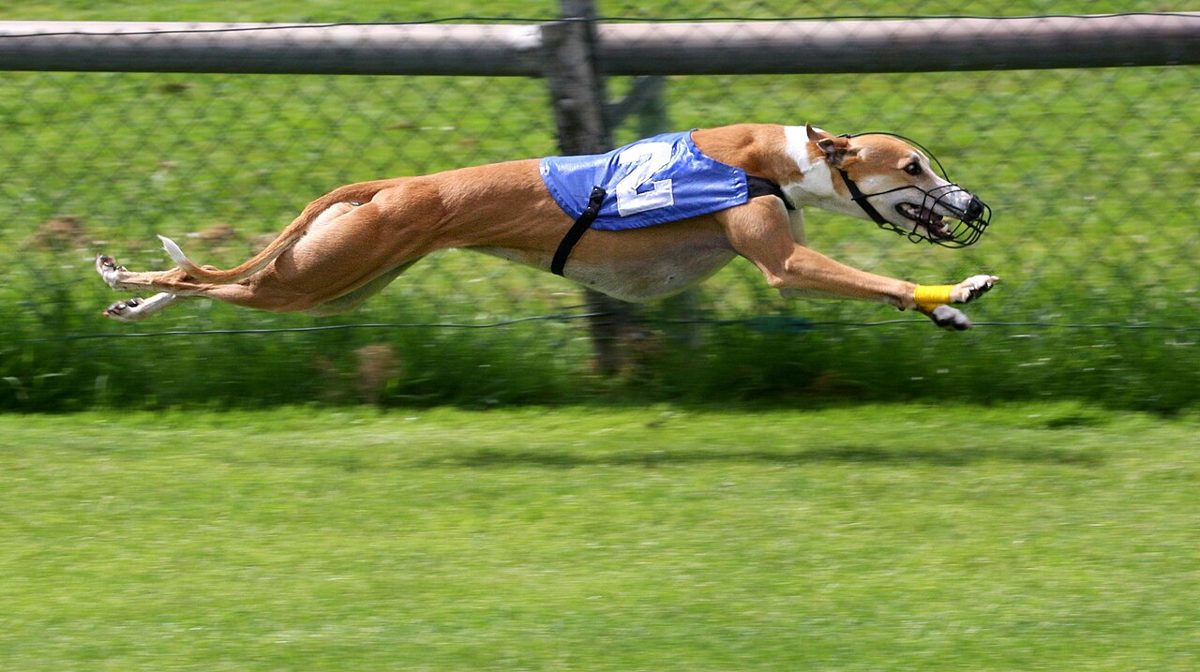
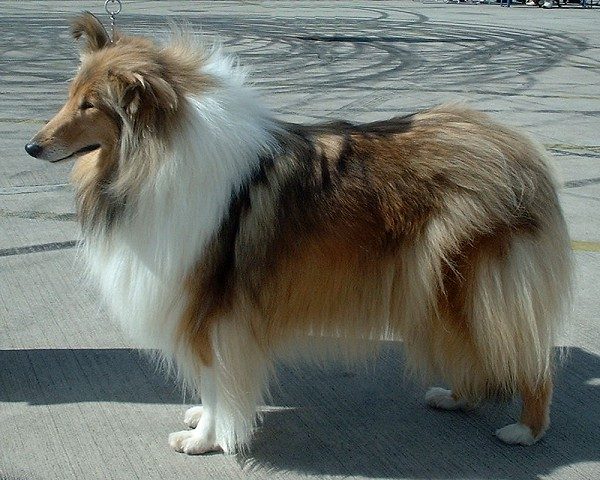
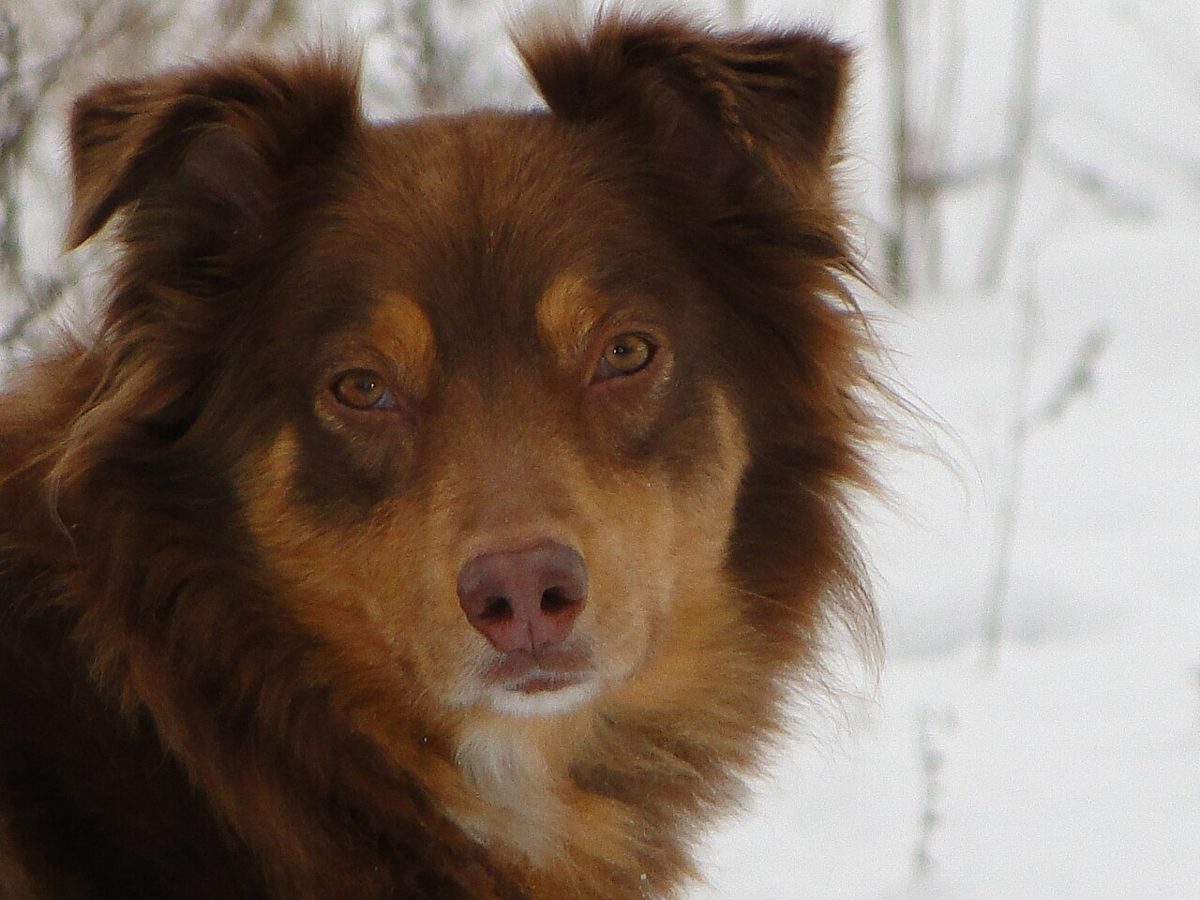
AAHA says few true breed sensitivities exist, but two are on the exam.1 Greyhounds may have prolonged recoveries after barbiturates and may develop hyperkalemia under general anesthesia.1 The slow recovery is linked to low activity of the liver enzyme CYP2B11, which clears several injectable anesthetics.9 The MDR1 (now ABCB1) mutation reduces P-glycoprotein, a pump that keeps many drugs out of the brain. About three of every four collies in the US carry it, and it is also found in Shetland sheepdogs, Australian shepherds, Old English sheepdogs, English shepherds, German shepherds, long-haired whippets, silken windhounds and mixed breeds.8 AAHA advises reduced doses of acepromazine and possibly butorphanol in affected dogs.1
Obese patients
Obesity changes how drugs distribute and clear, so dose on ideal or lean body weight.23 Cats over 6 kg were three times more likely to die in the perioperative period than cats of 2 to 6 kg.2 Obese patients in dorsal recumbency tend to develop atelectasis (collapsed lung areas) and hypoxemia; AAHA suggests ventilation with PEEP of 2.5 to 5 cm H2O.1 Preoxygenate, especially obese brachycephalic cats, and expect some to need oxygen after surgery.2
| Patient type | Key risk | Technician focus |
|---|---|---|
| Brachycephalic | Airway obstruction, regurgitation, aspiration, vagal bradycardia | Preoxygenate, small tubes ready, fast intubation, late extubation, sternal recovery |
| Pediatric or neonatal | Hypoglycemia, hypothermia, fluid overload | Short fast, glucose checks, active warming, syringe pump, small-bore lines without air |
| Geriatric | Hidden disease, weak response to hypotension, slow recovery | Full bloodwork, blood pressure, gentle positioning, warming |
| Cesarean section | Fast desaturation, aspiration, drug effects on fetuses | Preoxygenate, no mask induction, short induction-to-delivery time, neonatal resuscitation area ready |
| Cardiac | Hypotension, arrhythmia, fluid overload | ECG and blood pressure, careful fluid rates, know which cardiac drugs were given |
| Renal | Hypotension worsening kidney injury | Preanesthetic fluids if ordered, blood pressure, fluids until eating and drinking |
| Hepatic | Slow drug clearance, bleeding | Coagulation tests before biopsy, glucose, watch for prolonged recovery |
| Diabetic | Hypoglycemia | First case of day, reduced insulin per order, glucose every 30 minutes |
| Sighthound | Slow recovery after barbiturates, hyperkalemia | Flag the breed, warm and monitor a long recovery |
| MDR1 breeds | Exaggerated effects of acepromazine, butorphanol | Ask about MDR1 status, flag the breed, confirm reduced doses |
| Obese | Overdose, hypoventilation, atelectasis | Dose on lean weight, preoxygenate, ventilate, oxygen in recovery |
Sources: AAHA 2020; AAFP 2018; Grubb, Today's Veterinary Practice; WSAVA 2016 proceedings; Merck Veterinary Manual; WSU VCPL.
Procedure: brachycephalic anesthesia step by step
- Before the day: confirm fasting and medication instructions; ask about GI signs. Grubb recommends antiemetics for all brachycephalic patients.3
- Set up several endotracheal tubes, including some smaller than body size predicts, cuff-checked and lubricated, plus a laryngoscope, stylet, lidocaine for the arytenoids and gauze to hold the maxilla. A 10 kg non-brachycephalic dog might take a 7 to 8 tube; a 10 kg brachycephalic dog, a 6 to 7.3
- Keep the patient calm and start soon after arrival. Preoxygenate while the IV catheter is placed.3
- Induce and intubate when jaw tone is reduced and the patient no longer swallows; do not force the tube while the dog is still swallowing. Inflate the cuff and connect to oxygen right away.3
- During maintenance, ventilate if needed to an EtCO2 of 35 to 45 mm Hg, keep SpO2 above 95% and monitor temperature.3
- Recover the dog sternal with the head up, keep the tube in until it is awake and swallowing strongly, keep oxygen and the pulse oximeter on, and have drugs and tubes ready to re-induce and re-intubate.34
Flowchart: brachycephalic extubation and recovery
Species differences
- Cats: all cats are at higher risk of complications than dogs and get cold easily.1 Persians and other brachycephalic cats share the airway concerns. HCM, hyperthyroidism and kidney disease are common comorbidities in older cats.2
- Dogs: breed drives most special cases: brachycephalics, sighthounds, MDR1 herding breeds, toy breeds that get cold and are easy to overdose, and giant breeds that are easy to overdose on a per-kilogram basis.1
- Shiba Inu: AAHA notes low potassium inside the red cells of this breed as a breed factor to consider.1
Calculation
Example 1: insulin for a diabetic cat. A cat normally gets 2 units of insulin. The morning glucose is 210 mg/dL. Under the AAFP scheme, 145 to 270 mg/dL means half the regular dose.2 2 units x 0.5 = 1 unit, given as ordered by the veterinarian.
Example 2: preanesthetic fluids for a cat with kidney disease. A 4 kg cat with IRIS stage 3 disease is ordered 4 mL/kg/h for 4 hours.2 4 mL/kg/h x 4 kg = 16 mL/h; 16 mL/h x 4 h = 64 mL total.
Example 3: lean body weight dosing. An obese cat weighs 6.0 kg; the veterinarian estimates its lean weight at 4.0 kg and orders a drug at 0.2 mg/kg. The drug is 10 mg/mL. Dose on lean weight: 4.0 kg x 0.2 mg/kg = 0.8 mg; 0.8 mg / 10 mg/mL = 0.08 mL. Using actual weight would give 0.12 mL, 50% too much.
Safety, legal and client education
- Give owners clear written instructions on fasting and medications. AAHA notes most chronic drugs continue, insulin is given as specifically instructed, and ACE inhibitors are usually stopped that day.1
- Ask owners of herding breeds whether the dog has been MDR1 tested, and record the result where the whole team will see it.8
- Tell owners of brachycephalic dogs that recovery is the riskiest phase and why the dog stays in hospital under watch.3
- After a cesarean, leave neonates alone with the dam only once she is fully recovered and showing good maternal behavior, which may take 24 to 48 hours; until then, supervise nursing every 1 to 2 hours.7
- Drug doses, insulin changes and protocol choices are the veterinarian's decisions. Your role is to flag the risk, confirm the order and measure.
Common mistakes and exam traps
- Extubating a Bulldog as soon as it moves. The tube stays until the dog is awake and swallowing strongly; many tolerate it while fully conscious.3
- Picking a tube by body weight alone in a brachycephalic dog. Have smaller sizes ready.3
- Mask-inducing a cesarean patient with an inhalant. Preoxygenate and use a fast IV induction instead.5
- Giving a fasted diabetic its full insulin dose.1
- Dosing an obese patient on its actual weight.2
- Forgetting glucose and heat in a kitten or puppy. Both drop fast.17
- Assuming MDR1 is only a "Collie and ivermectin" issue. Acepromazine and butorphanol doses are affected too.1
Memory aids
SNOT (memory aid): Stenotic nares, Narrow airway from turbinates, Overlong soft palate, Throat changes later (everted saccules, laryngeal collapse). The parts of BOAS from nose to larynx.
Tube in till they swallow (memory aid): brachycephalic dogs keep the endotracheal tube until awake and swallowing strongly.
Half and half (memory aid): AAFP cats with glucose 145 to 270 mg/dL get half their insulin; below 145 none, above 270 full.
Collies are not cool with Ace (memory aid): MDR1 breeds need reduced acepromazine (and possibly butorphanol) doses.
Babies need Heat and Sugar (memory aid): neonates and pediatric patients get hypothermic and hypoglycemic, so warm them and check glucose often.
Quick review
- Brachycephalic dogs: preoxygenate, have small tubes ready, intubate fast, keep the tube in until they swallow, recover sternal with oxygen and a pulse oximeter.
- Most brachycephalic complications happen after surgery: dyspnea, regurgitation and aspiration pneumonia.
- Neonates: first 21 days; less drug needed, slow clearance, hypoglycemia, hypothermia, easy fluid overload.
- Geriatrics: look for hidden disease, measure blood pressure, warm and position gently.
- Cesarean: all drugs reach the fetuses; preoxygenate 3 minutes, avoid inhalant mask induction and keep induction-to-delivery time short.
- Cardiac: continue pimobendan and furosemide, stop ACE inhibitors the day of anesthesia, be careful with fluid boluses in cats with cardiomyopathy.
- Renal: preanesthetic fluids for advanced disease if ordered; fluids continue until the cat eats and drinks.
- Diabetic: first case, reduced insulin per glucose, glucose every 30 minutes.
- Greyhounds: slow recovery after barbiturates. MDR1 breeds: reduced acepromazine and butorphanol.
- Obese: dose on lean weight, expect atelectasis and hypoventilation.